North Mississippi Research and Extension Center - Verona, Mississippi

Northeast Mississippi Branch Experiment Station

The research station was established in 1947 on about 178 acres, all located east of Coonewah Creek. In the 1960s, with the help of the local Community Development Foundation (CDF), about 250 acres west of Coonewah Creek were purchased; in the 1970s, an additional 20 acres of bottomland were purchased. As agriculture has changed, so has the station’s focus.

From the late 1940s through the 1950s, major emphasis was in poultry and broiler management research. From the late 1950s through the 1960s, dairy management and horticulture research was the main focus. A watermelon variety, “Verona,” was a result of the horticulture research program. The station also had one of the top-producing Jersey dairy cattle herds in the nation. In the early 1970s, emphasis changed to dairy replacement heifer management and agronomic row-crop research.

The “calf-hut” replacement dairy heifer rearing method was developed through the station’s heifer replacement management research program. The soybean cyst nematode pest was first identified by scientists in station research plots in the early 1970s. This discovery led to the evaluation and development of cyst nematode-resistant soybean varieties. In the late 1970s, soybean stem canker disease also was first identified in station research plots, leading to the evaluation, development, and release of stem canker-resistant varieties.

Major station changes occurred in the 1990s. In 1994, 75 acres of land were leased to the Lee County Board of Supervisors for the development of the Lee County AgriCenter. A vegetable/ornamental horticulture research unit was added in 1996, and a new Research and Extension Center office complex was completed in 1996. Additional office space was added in 2006. Many types of vegetables, including tomato, watermelon, pumpkin, southern pea, lima bean, and sweet corn, have been evaluated for vegetables growers and consumers in north Mississippi. A medicinal herb research project in cooperation with the University of Mississippi Natural Products Lab was initiated in the late summer of 2000. The project focus is on the domestication of American Mayapple as a source of the pharmaceutical compound podophyllotoxin. The project is also investigating Eastern Red Cedar as a podophyllotoxin source.

Additional medicinal and aromatic crops projects were initiated in 2006. Approximately 60 medicinal and aromatic crops have been evaluated at multiple locations in Mississippi. For some of these crops, such as peppermint, spearmint, dill, coriander and others, an “essential oil” market exists. This may help the introduction of these species as high-value crops for Mississippi. From 2006 to 2008, sunflowers, winter canola, and winter mustard have been evaluated as potential crops for production of biodiesel, as well as cooking or industrial oil.

Scientists studying plants in a fieldThe ornamental horticulture project was established in 1996 to enhance the development of multiple facets of the “Green Industry” in north Mississippi by evaluating the adaptability of new and old cultural practices and plant materials in north Mississippi. Research on landscape plant material adaptation and environmentally sound cultural practices will benefit consumers and landscape professionals. One area of research begun in 2000 is the evaluation of byproducts of the forestry industry for use as soil amendments, container media, and mulch materials. In 2008, evaluation of new transplant strategies for trees and shrubs was started with the objective that research results would be beneficial to industry and consumers.

Development of the Magnolia Botanical Gardens started in 1997 with the goal of having the gardens serve as a demonstration and education resource for green industry professionals and consumers. Evaluations of rose cultivars and rootstocks were initiated in 2004 with the goal of increasing in the landscape success for homeowners interested in growing roses. Research projects evaluating shrub rose cultivars for disease resistance were started in 2007. Also ongoing are projects evaluating soil-applied system fungicides for roses and cultural practices for garden centers to maximize growth of bare-root nursery rose plants when transplanted to containers for retail sales.

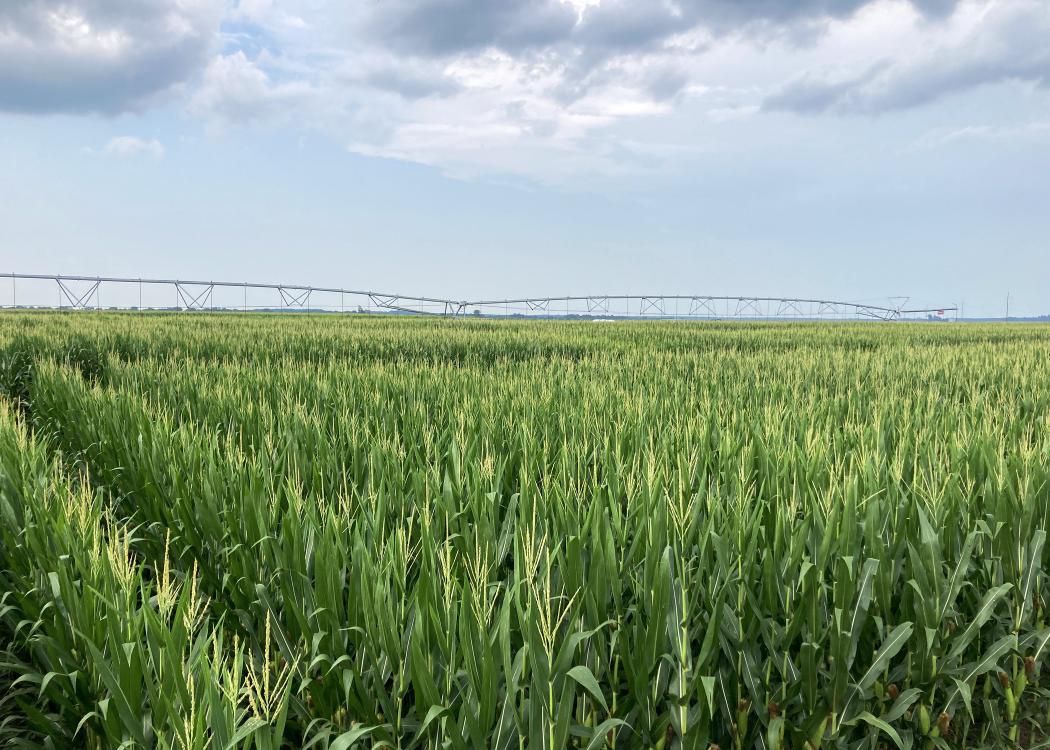
In order to improve service to the agricultural industry in north Mississippi, an Extension area forester position was added in 2003, and in 2007 an Extension area entomologist position was added to the North Mississippi Research and Extension Center faculty. The station’s current major agronomic row crop research effort is in the evaluation of herbicide- and insect-tolerant crops and the continued evaluation and development of conservation tillage systems for corn, cotton, and soybeans that minimize soil sediment loss, enhance yield, and reduce production costs. This year, the station has about 40 row crop studies. The station’s research is a joint effort involving industry, Mississippi State University scientists, Extension Service professionals, and scientists from other branch stations in the evaluation and development of new row crop and horticulture production technology.