
Landscapes
need help after Katrina's damage
By
Norman Winter
MSU
Horticulturist
Central Mississippi Research & Extension
Center
|

|
|
Nothing
will perk up the neighborhood and your
spirits like planting. Color in the
landscape can certainly bring a renewed
spirit. Some garden centers are already
bringing in mums as well as fall blooming
salvias, ornamental peppers, fresh
marigolds, petunias and a host of other
flowers.
|
|
When
disaster strikes, the little things take on more importance.
Saving something from a site of total devastation can be a
big boost, even if what is saved is just a tree or a special
bush. As I travel around in the aftermath of Hurricane
Katrina, I have noticed a few things that could be
overlooked by homeowners.
Water
is critical...
A
lot of us have made an effort to reposition small trees and
shrubs that were blown over. In most cases, when these fell
the broken roots were exposed to the air. With no rain since
the hurricane, these shrubs or trees will have to be watered
to help them re-establish. Pay attention to the moisture in
newly planted shrub beds.
Young
trees, whether crape myrtles, hollies, ligustrums, wax
myrtles or some other tree that really popped out of the
ground, will need to be staked if they are really wobbly to
prevent the next big gust of wind from blowing them over.
Stake them with a flexible material to allow for a little
bending in the breeze. For smaller shrubs and plants, it may
be easier to dig them up and replant them than try to stake
them upright.
You
may have noticed that many crape myrtles were almost
defoliated by the winds. These should leaf out again and be
just fine.
Don't
throw away pine straw...
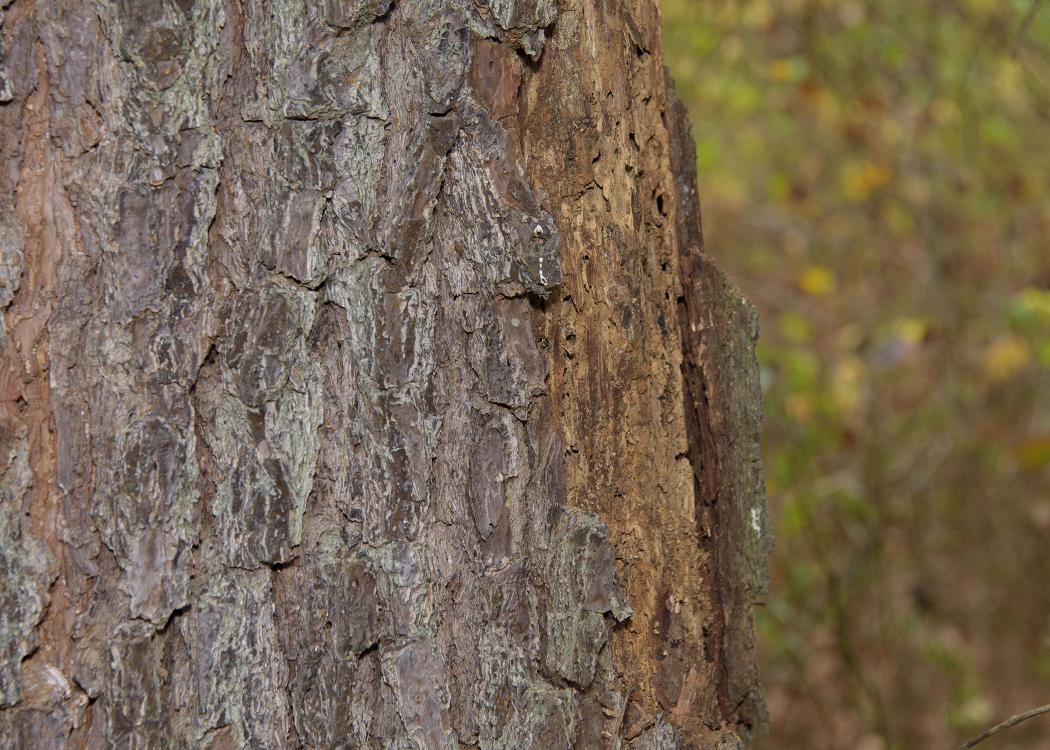
Pine
straw is the favorite mulch of many Mississippi gardeners.
We usually rake this up in October and November. Because of
Katrina, much of it is here now, and in some cases, most of
what you are going to get is already laying on the
ground.
While
most would not worry about throwing it away in the fall,
they are doing so now in the clean-up process. Bags and bags
are at curb sides waiting to be picked up. Six to 8 inches
of fresh pine straw will give a renewed look to the
landscape and help conserve moisture, deter weeds and
moderate soil temperatures.
Even
if you are not ready to apply a fresh layer of mulch, you
can rake and bag it, then use it whenever you wish. Just
don't throw it away.
Debris
piles...
You
may not have much choice about where you place debris piles.
Don't place debris in the roads, but avoid placing it on
lawns. It may take weeks before it gets picked up. If you
have to place debris on the lawn, you may have to re-sod
those areas.
Plant
for the future...
There
is nothing that will perk up the neighborhood and your
spirits like planting. If you need to replace trees, then
consider those that are known to survive severe winds.
Television reports on our coastal destruction show that many
live oaks are still there and most will survive. Palm trees
did very well, too.
In
fact, trees like live oaks, bald cypress and Southern
magnolias planted 30 feet from the home can offer wind
protection. If you live in an area where palms can grow,
consider planting the Canary Island Date Palm and Pindo
Palm. These are ruggedly durable and beautiful.
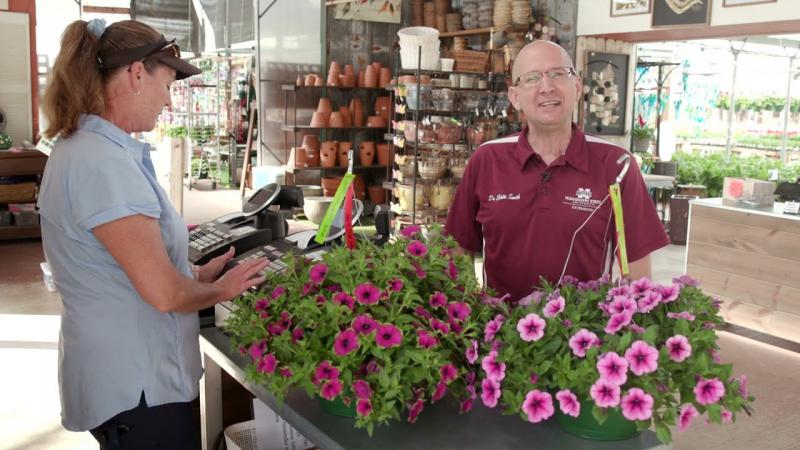
Color
in the landscape can certainly bring a renewed spirit. If
possible, visit your garden center. Mums are starting to
show up as well as fall blooming salvias, ornamental
peppers, fresh marigolds, petunias and a host of other
flowers.
-30-
Released:
September 8, 2005
Contact: Norman
Winter,
(601) 857-2284
Editor's
Note: Ideal publication dates of Southern Gardening columns
are within one month of their release. Editors should
examine older columns carefully for any information that
could be time sensitive.
Publications
may download
photograph
at 200 d.p.i.
|