Pineapple
sage great for foliage and flowers
By
Norman Winter
MSU
Horticulturist
Central Mississippi Research & Extension
Center
|

|
|
Golden
Delicious pineapple sage combines
wonderfully in this mixed container also
featuring Creme Brulee heuchera, Artist
Blue ageratum and Ruby Clusters
cestrum.
|
|
As the
weather heats up and sends us indoors to a cooler
environment, salvias really start to show their beauty in
the landscape. One that every gardener needs is the
pineapple sage.
The
pineapple sage is known botanically as Salvia elegans.
Despite being native to tropical Mexico and Guatemala, it
does very well in most of Mississippi, and I get reports
from those in the northern part of the state saying it
returns from the winter. The one requirement for a spring
return, however, is good winter drainage.
The
attributes of the pineapple sage are many. It is useful from
spring through frost, wherever it is grown. The flowers
appear in late summer, which means you can still get yours
planted to enjoy its peak performance. The leaves, however,
are always a treat, yielding the aroma and flavor of a
just-opened can of crushed pineapple.
The
ruby-throated hummingbird relishes the nectar in the scarlet
flowers as much as the culinary artist will enjoy using the
leaves to flavor drinks and cream cheese spreads.
Though
I have seen the pineapple sage in full sun, I think it is a
happier plant in morning sun and afternoon shade. As I
mentioned earlier, the soil must be well drained. Remember
that the key to the green thumb is how brown it gets first
in soil preparation.
Plant
on raised beds or amend heavy, tight soils with the addition
of compost or humus. Well-drained soil will encourage a
spring return farther north than expected.
While
preparing the soil, incorporate 2 pounds of a slow-release,
12-6-6 fertilizer per 100 square feet of bed space. Space
the plants 24 inches apart, and plant at the same depth they
are growing in the container.
This
is one of the salvias that starts to bloom as the days are
getting shorter in late summer and fall, so do not plant
under street lights or floodlights because you will end up
with only foliage.
The
pineapple sage is a tough plant known for drought tolerance.
Do, however, give supplemental water during prolonged dry
periods. In the fall, once the plant has received
significant frost damage, prune to the ground and give an
added layer of mulch for protection. You might want to take
a few cuttings in the fall before the frost damage has
occurred.
In
the spring, feed your salvias with a light application of
fertilizer with the emergence of growth and every six to
eight weeks through September. You may wish to pinch a
couple of times to maintain bushiness. Harvest the young,
tender foliage early in the morning to use for
flavoring.
The
pineapple sage is well suited to a number of uses in the
landscape, from herb gardens to tropical gardens to cottage
gardens. Use with other fall-blooming salvias. In the
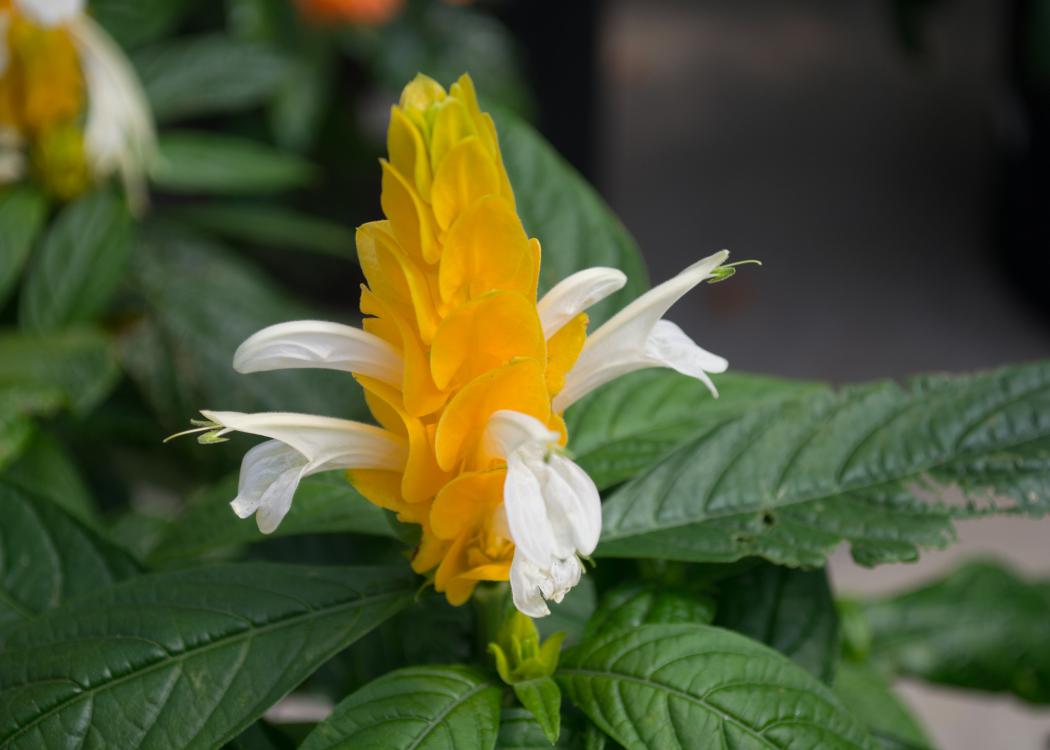
tropical garden, combine them with yellow shrimp plant
(Pachystachys lutea) or bush allamanda (Allamanda schottii).
Plant them in front of tall bananas and upright elephant
ears (Alocasia macorrhiza).
The
pineapple sage as been sold generically forever, it seems,
but soon to arrive at your garden center will be a new
selection called Golden Delicious. It has bright, lime-green
to gold foliage coupled with the scarlet blooms. This
definitely is a selection you will want but will need to
protect from hot afternoon sun.
You
may have to wait until next spring to get Golden Delicious.
But talk to your local garden center staff to see if they
might be getting some later in the summer.
-30-
Released:
June 23, 2005
Contact: Norman
Winter,
(601) 857-2284
Editor's
Note: Ideal publication dates of Southern Gardening columns
are within one month of their release. Editors should
examine older columns carefully for any information that
could be time sensitive.
Publications
may download
photograph
at 200 d.p.i.
|