Choose
pentas for outstanding color
By
Norman Winter
MSU
Horticulturist
Central Mississippi Research & Extension Center
|

|
|
Butterflies,
hummingbirds and gardeners alike will be
delighted with the many new series of
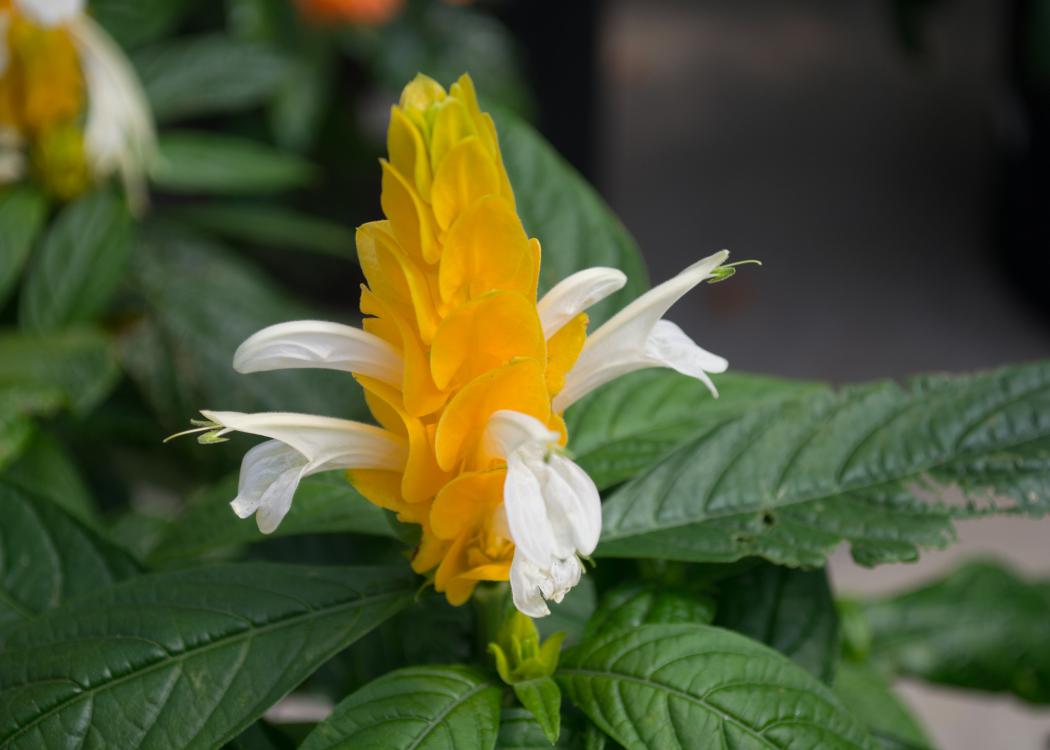
pentas being offered, such as this
beautiful Bismarck variety. If these new
varieties are not available at local
nurseries this year, gardeners can rely on
Mississippi Medallion Award-winning
Butterfly pentas for a lush, tropical look
and tons of butterfly
guests.
|
|
The
future looks bright for pentas, one of our best groups of
annuals. I've just returned from the California Pack Trials,
and almost every company is introducing new series. This
should be a delight to butterflies, hummingbirds and
gardeners alike.
You'll
be seeing pentas that are not only seed-produced, but
vegetatively propagated as well. Lava, Bismarck and Bahama
are some of the new varieties you can expect to see at
garden centers probably next year, although a few may show
up this year because our nurserymen are among the most
progressive in the South.
Even
if you don't see these varieties, you can rely on the
Mississippi Medallion Award-winning Butterfly pentas. If you
remember reading about our trials, there were several series
of pentas, including the old standards. Pentas have long
been known as a great source of nectar for butterflies.
As
the butterfly season reached its peak and the pentas trial
developed into a sea of color, it astounded everyone to see
the butterflies skipping the old standards to feast almost
exclusively on the clearly marked Butterfly
series.
The
Butterfly pentas are the first F1 hybrid series of pentas.
This means gardeners get a vigorous plant with better
blooming and uniformity.
Pentas
are great bedding plants for the South and are considered a
sub-shrub in Africa. While we call them pentas, much of the
world calls them Egyptian Star Clusters. In fact, the name
pentas comes from the Latin word for five because of the
five floral petals.
The
Butterfly series gives a lush, tropical look to the garden.
They are available in more colors now, such as Butterfly
Red, Blush, Light Lavender, Deep Pink, Cherry Red and White.
Blooms will be produced in abundance all summer long if beds
are prepared correctly. Place them in a bed in front of
evergreen shrubs like hollies, ligustrums, wax myrtles or
junipers.
Choose
a site in full sun for best flower production. Prepare the
bed by incorporating 3 to 4 inches of organic matter, and
till to a depth of 8 to 10 inches. While tilling,
incorporate 2 pounds of a slow-release, 12-6-6
fertilizer.
The
next step may be the most crucial to happiness with your
pentas. If your soil is acidic and you grow azaleas,
camellias or blueberries with ease, you will need to add
lime to your pentas' planting area. While preparing the
soil, add 5 pounds of a pelletized lime per 100 square feet
in sandy soil, or 10 pounds in a clay-based soil. This is
recommended because pentas prefer a soil pH of 7.
Many
gardeners annually apply lime to grass or vegetable gardens,
and in this case, a little will help the pentas keep their
flowers all summer. By the way, they're great in the vase as
cut flowers.
While
shopping for plants this spring, look for the Mississippi
Medallion-winning Butterfly pentas, as well as the new
varieties. Keep in mind that previous winners, such as
Sonset lantana, New Wonder scaevola and Biloxi Blue verbena
also are still winners and will serve your landscape
well.
-30-
Released:
May 12, 2005
Contact: Norman
Winter,
(601) 857-2284
Editor's
Note: Ideal publication dates of Southern Gardening columns
are within one month of their release. Editors should
examine older columns carefully for any information that
could be time sensitive.
Publications
may download
photograph
at 200 d.p.i.
|