Mixed
containers cause national
design frenzy
By
Norman Winter
MSU
Horticulturist
Central Mississippi Research & Extension Center
Designing
mixed containers has become a frenzied passion nationwide,
and I have to admit I'm hooked, too. Nothing can liven up a
porch, patio or deck like a large container filled with
several species of blooming flowers.
|

|
|
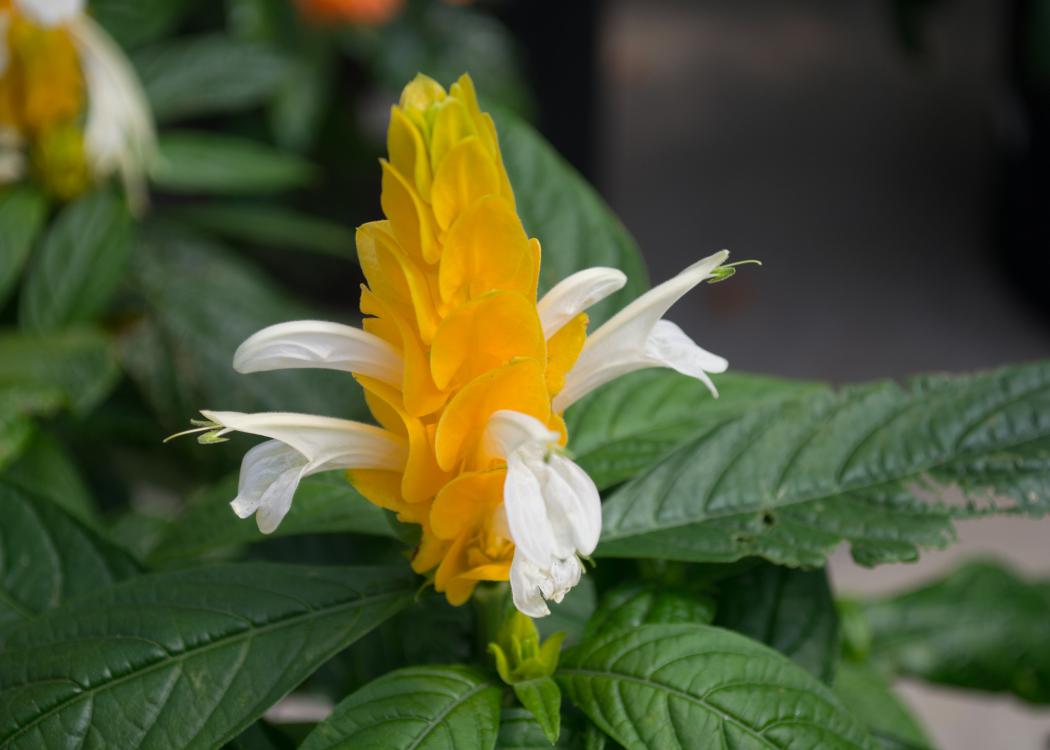
MIXED
CONTAINER -- Grow a variety of textures
and shapes to add interest to a container.
Try large, spiky plants in the center,
followed by another layer and then those
that cascade or tumble over the
rim.
|
|
Part of
the appeal of mixed containers is that they allow those of
us with cement-like soil to grow beautiful bouquets with
ease. There are hardly any rules to container gardening, but
good drainage is of paramount importance.
The
container must drain freely. This means you must drill a
hole if you are buying one of the Old World-like pots that
look like they weigh 75 pounds instead of the few ounces
they really are. Use a piece of old pantyhose or wire screen
to cover the hole.
The
next critical element of a successful container is the
potting mix. Remember: cheaper is almost never
better.
Look
at the premium brands sold by the cubic foot or yard. Even
though they are larger, they are lighter and easier to pick
up. Many of the premium brands that are light and airy also
have controlled-release fertilizer added, which helps get
the plants off to a good start.
Compare
premium brands with the cheaper bags that are sold by the
pound. These bags are smaller but weigh much more. A
container filled with this cheaper soil will be heavy and
hard to move, and it will not drain as well, providing a
poor environment for the roots of your plant.
Select
a container that will give your plants' roots room to grow,
but not so much that they will fill the pot. Consider the
mature size of the plants you will be growing, and follow
spacing recommendations.
Pots
with a small amount of soil dry out faster and require
frequent watering, so the deeper the pot, the less watering
it will need.
Planting
in containers is much the same as planting in the landscape.
Plant bedding plants or shrubs and trees with the top of the
root ball even with the soil line. Place large plants in
first, then place smaller plants around the perimeter and in
pockets created by greenery.
Keep
the plants well watered as they get established, keeping in
mind that containers dry out faster than flowerbeds. To keep
plants well fed and blooming, use a time-released, granular
fertilizer or water with a diluted liquid
fertilizer.
Another
great thing about containers is they allow us to grow plants
that are a challenge to grow in the landscape. One I like is
lavender. Lavender plants don't really like the hot and
humid Southern landscape, but they give a pretty good
performance in containers, thanks to superb
drainage.
By
all means, grow a variety of textures and shapes to give
your container interest. For example, try large, spiky
plants in the center, followed by another layer and then
those that cascade or tumble over the rim. It's amazing that
a small plant like sweet alyssum gently falling over the
edge of a container can actually make a square pot seem
round.
Gardening
season is upon us. Be an artist and design some mixed
containers for your home.
-30-
Released:
March 10, 2005
Contact: Norman
Winter,
(601) 857-2284
Editor's
Note: Ideal publication dates of Southern Gardening columns
are within one month of their release. Editors should
examine older columns carefully for any information that
could be time sensitive.
Publications
may download
photograph
at 200 d.p.i.
|