
Japanese loquats
blooming now
By
Norman Winter
MSU
Horticulturist
Central Mississippi Research & Extension
Center
One of
the most picturesque small trees is blooming all over
Mississippi and filling the air with a tantalizing
fragrance. If the winter is mild, the creamy white flowers
will yield a real delicacy for the table. The tree I am
talking about is the Japanese loquat, or Japanese plum,
known botanically as Eriobotrya japonica.
|

|
|
The
Japanese loquat assumes a rounded form and
is normally under 20 feet tall, perfect
for those areas needing a small tree. The
furrylooking white flowers form in the
early fall and are deliciously scented.
Plus, if the winter is mild, the creamy
white flowers will yield a real delicacy
for the table.
|
|
This
exotic-looking little evergreen tree has everything going
for it: beautiful foliage, fragrant flowers and it is easy
to grow. The loquat is perfect for those areas needing a
small tree. It is normally under 20 feet tall and assumes a
rounded form.
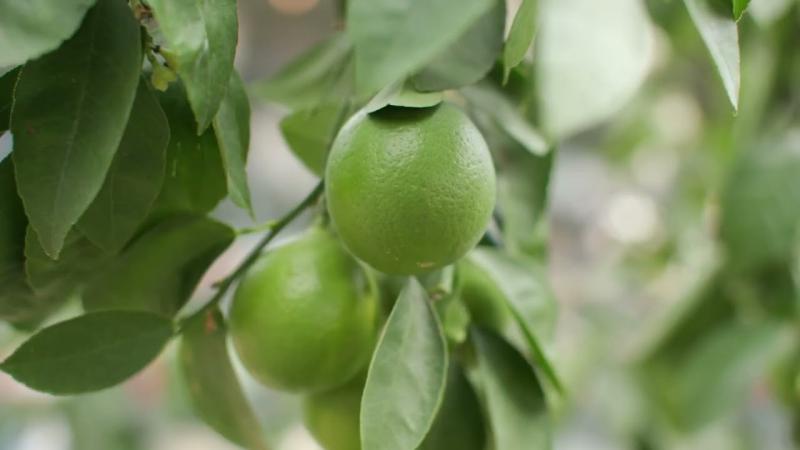
The
large leaves are about 10 inches long and are a deeply
textured, dark, glossy green on top, while the bottom
surface is light green and slightly fuzzy.
The
furry-looking white flowers form in the early fall and are
deliciously scented. They perform best in full sun but will
tolerate shady areas quite well. The soil should be well
drained, and they can be grown in acidic or alkaline
conditions.
Water
regularly when the trees are young. Once established, they
are drought tolerant, though adequate moisture and mulch
will keep loquats looking their best. The loquat is in the
rose family, and where I lived in Texas, it seemed they were
prone to a little fire blight.
In
Mississippi, they seem to perform without fail. I have been
watching gardeners in Brookhaven grow them and regularly
harvest the fruit for years. They have been used extensively
in Brandon to produce photographic spots.
Use the
loquat as a specimen plant and as a shade tree for the patio
or courtyard. Growing in a protected area does increase your
chance of harvesting in the spring. They are easy to grow
and practically maintenance free. The fertilization needs
are low, which helps prevent disease.
The
loquat can be grown from zones 7 to 10, but obviously,
because the fruit has to go through the winter, you are much
more likely to get a harvest in Hattiesburg than in
Tupelo.
Most
garden centers sell the loquat generically, so to speak. In
fact, I have never seen a named variety for sale. Some of
the preferred varieties in the trade are Advance, a compact
self-unfruitful variety requiring a pollinator; Golden
Nugget; Fletcher Red, which has orange-red flesh; and
Thales.
If you
are among the lucky ones who get to harvest loquats, you
might want to try this recipe:
Spicy
Loquat Sauce
Wash 4
quarts of fresh loquats, halve fruit and discard seeds.
Place in a deep pan; add water to partially cover. Cover pan
and bring water to a boil. Boil gently until fruit is
tender, about 30 minutes. Remove from heat and let cool.
Puree fruit by pressing it through a food mill, colander or
sieve. Add ground cinnamon and nutmeg to taste. Add a little
sugar if desired.
Place
the mixture in a saucepan, and bring it to a boil. Pour into
hot, sterilized jars. Seal and process in boiling water for
15 minutes. Serve the sauce chilled on roasted meat or
duck.
-30-
Released:
November 11, 2004
Contact: Norman
Winter,
(601) 857-2284
Editor's
Note: Ideal publication dates of Southern Gardening columns
are within one month of their release. Editors should
examine older columns carefully for any information that
could be time sensitive.
Publications
may download photographs at 200 d.p.i. Close
| Far
|