
|
|

|
|
The
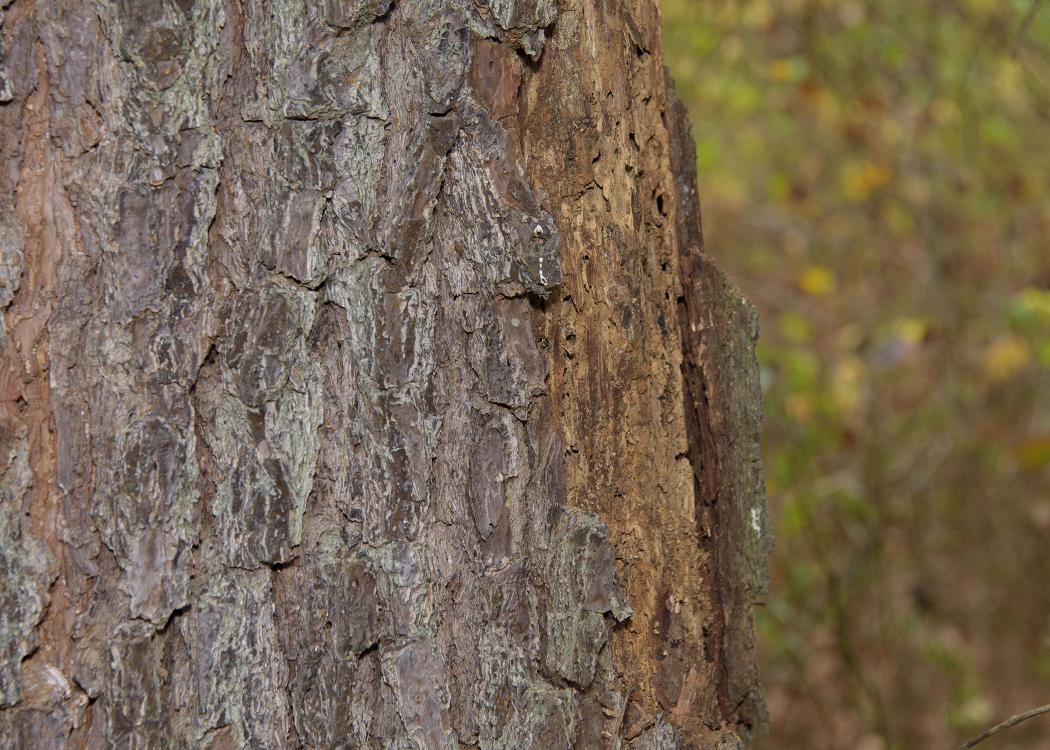
new tumbled glass mulch was an instant hit
at the garden and patio show in Jackson
and is starting to be seen everywhere.
Whether using one of the new mulches or
the old standards, mulching is mandatory
for shrubs, trees and flowerbeds.
|
|
New
mulches improve
look of flower beds
By
Norman Winter
MSU
Horticulturist
Central Mississippi Research & Extension
Center
Last
night I was planting some new Dreamland zinnias for late
summer and fall, and finished the job with the new red-dyed
mulch. Even though the zinnias weren't blooming, the
contrast of the red mulch and the green leaves sure looked
impressive.
In
addition to the red-dyed mulch, you may want to try the
black-dyed. This one has been popular in Corinth, Tupelo and
Southaven, but it is just now catching on here. Just imagine
bright green against a background of black. It is
stunning.
As
much as I like these dyed mulches, I have to admit the
contrast they provide is nothing compared to the new tumbled
glass mulch that was an instant hit at the garden and patio
show in Jackson. You are starting to see this dazzling mulch
everywhere, North Park Mall included.
This
mulch comes in various colors -- green, blue, white, a hot
new red and, I am told, even a glow-in-the-dark. While the
North Park Mall has a desert theme, the glass mulch will fit
any style that would otherwise use regular wood or pine
straw mulch.
Because
the glass is tumbled, you don't have to worry about getting
cut. Several homeowners also are incorporating Christmas
lights in the mulch.
Regardless
of whether we choose one of the new mulches or the old
standards, mulching is one of the most important things we
can do for our shrubs, trees and flowerbeds.
Buying
mulch or landscape soil mix can be a challenge when you
don't know how much you need. People often try to look like
they know what they are doing even when they
don't.
Even
if you are mathematically challenged, here is an easy
formula to figure how much mulch or landscape soil mix you
will need for your bed. First, it is critical to know there
are 27 cubic feet in a cubic yard. One cubic yard will cover
a 324-square-foot area with 1 inch of soil or
mulch.
Figure
out the square footage of your bed -- that's width times
length for square- or rectangular-shaped beds. For
triangular-shaped beds, the formula is base times height,
divided by two.
Circular
beds are popular in the South. To find out the square
footage, go to the middle of the circle and measure to the
outside. This is your radius. Multiply this number by
itself, then multiply by 3.14.
For
example, if the distance was six, multiply by six to get 36.
Then multiply 36 by 3.14 (which is pi -- remember pi?). This
will determine your area in square feet. Won't you impress
your friends when you tell them you used pi to figure out
how much mulch to buy?
Multiply
your square footage times your depth of inches and divide by
324 square feet, which is one cubic yard, one inch deep.
This will tell you how many cubic yards you will
need.
If
you have 100 square feet and want to add three inches to the
depth, multiply 100 by three, and then divide by 324 to
convert to cubic yards. This equals .92 cubic yards that you
need, so you can buy nine of the 3-cubic-feet bags. Because
27 cubic feet equals one cubic yard, you will have just a
little bit left over.
Mulch
prevents moisture loss, and in August, those newly planted
trees and shrubs need all the moisture they can get to keep
the soil from compacting. Compacted soil prevents moisture
from reaching those roots and stifles the available oxygen.
Mulch keeps the soil cool in the summer and actually
stabilizes it in the winter.
One
often overlooked benefit is that mulch helps deter weeds.
Weeds that practically need a stick of dynamite to be
removed in tight soil can usually be plucked easily in a
well-mulched bed.
Pay
attention to which landscapes catch your eye and which ones
look most professional. Landscapes with an application of
fresh mulch usually will be the ones that receive those
appreciative stares. The new mulches are even more
impressive.
-30-
Released:
August 12, 2004
Contact: Norman
Winter,
(601) 857-2284
Editor's
Note: Ideal publication dates of Southern Gardening columns
are within one month of their release. Editors should
examine older columns carefully for any information that
could be time sensitive.
Publications
may download
photograph
at 200 d.p.i.
|