By
Allison Powe MISSISSIPPI
STATE -- Spring has many beautiful signs to announce its
arrival each year, but none are more fascinating than the
sight of a hummingbird darting from flower to
flower. Many
Southerners provide special feeders to get an occasional
glimpse of the tiny birds before they migrate back to their
winter homes in Mexico and Central America. People
who set out feeders assume a certain amount of
responsibility for these delicate birds. People who are not
willing to keep fresh feed in a frequently cleaned container
should consider planting a hummingbird garden
instead. Norman
Winter, extension horticulturist, said home gardens can
attract hummingbirds by providing the birds' favorite
flowers. Welcome hummingbirds to a backyard by selecting a
variety of plants that flower at successively later
dates. "Hummingbirds
love brightly colored flowers, especially red, orange and
pink. Nectar-producing flowers that bloom during the birds'
migration in spring and again in late summer and early fall
attract them to an area," Winter said. The
horticulturist said hummingbirds have almost no sense of
smell, so the flowers they are attracted to often are not
very fragrant. Birds look for bright colors and high nectar
production characteristics. These
unusual creatures display many unique abilities that make
them wonderful to watch. A hummingbird's wings can rotate
180 degrees up, down, forward and back, which means the bird
can hover, fly backward and ascend vertically. The creatures
commonly beat their wings 50 to 70 times per second. Their
metabolism is quite fast and their energy requirements are
high. Planting
a hummingbird garden is a good way to ensure the birds have
adequate food sources in a single yard. A variety of
flowering trees, shrubs, vines and flowers satisfies
hummingbirds and results in a beautiful landscape for owners
to enjoy. "Azaleas,
flowering quince, red buckeye, lantana and mimosa attract
hummingbirds. The larger trees are especially beneficial
because they can feed dozens of birds at once while they are
blooming," Winter said. "The
tubular red flowers of trumpet vines are very attractive to
hummingbirds. Chinese trumpet creeper and common trumpet
creeper are both good flowering vines the birds love to sip
nectar from," he said. Hummingbirds
also will flock to red trumpeted honeysuckle, coral
honeysuckle, cypress vine and morning-glories. "There
are many beautiful perennials and annuals to plant in flower
beds to make your lawn a hummingbird headquarters," Winter
said. "Among
the perennials that attract hummingbirds with their colorful
blooms are four-o-clocks, hosta, bee balm, canna, cardinal
flower, little cigar and penstemon. "Some
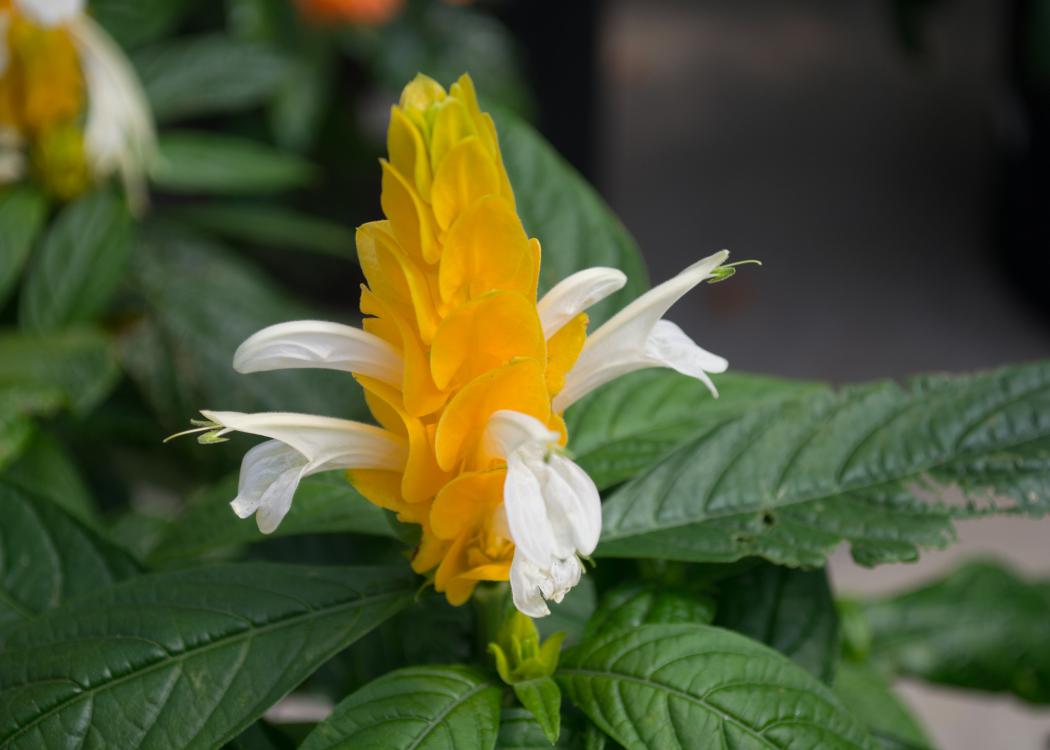
good annuals that thrive in Mississippi and attract
hummingbirds are petunias, impatiens, red salvia, scarlet
sage, beard tongue and shrimp plant," Winter
said. Hummingbirds
get most of their energy from flower nectar and sugar water
they find in feeders, but they also eat soft-bodied insects
and spiders for protein. "Don't
use pesticides around hummingbird plants. Besides killing
garden pests, the pesticides may also eliminate the small
insects hummingbirds need," Winter said. Hummingbirds could
become sick or die if they directly ingest pesticides
sprayed onto flowers. Released:
April 28, 1997
Home
lawns & gardens news:
Hummingbirds Add
To Garden Setting
Contact: Norman Winter, (601) 857-2284
Visit: DAFVM
|| USDA
Search our Site ||
Need more information about this subject?
Last Modified: Friday, 19-Dec-08 10:29:38
URL: http://msucares.com/news/print/lgnews/lg97/970428nw.htm
Mississippi State University
is an equal opportunity institution.
Recommendations on this web site do not endorse
any commercial products or trade names.