
By
Linda Breazeale MISSISSIPPI
STATE -- Homeowners and growers should not overreact to
potential damage to plants in home landscapes caused by
extreme cold snaps, such as the one that hit Mississippi the
last week of February. "Although
our temperatures dipped into the teens, plants that are
hardy to zone 7 and 8 should not be affected by those
temperatures," said Sonja Skelly, ornamental horticulture
specialist with Mississippi State University's Extension
Service. "Plants that are hardy in zone 7 can withstand
temperatures of zero to 10 degrees, and those hardy for zone
8 can withstand temperatures as low as 10 to 20
degrees." Skelly
said plants still may have suffered some damage because
factors other than temperature also influence plant
survival. Some of those factors include plant
characteristics, plant health, soil, water availability and
microclimates. "Waiting
and watching is the key to assessing the damage, especially
since damage may not show up immediately," she said.
"Examine plants over the next few days for leaves or flowers
becoming brown, black and/or mushy. Remove these as soon as
you notice them to help prevent diseases from attacking the
plant." Assessing
the damage to wood on trees and shrubs is a little more
involved. "Watch
the plant during the spring. If leaves are not sprouting and
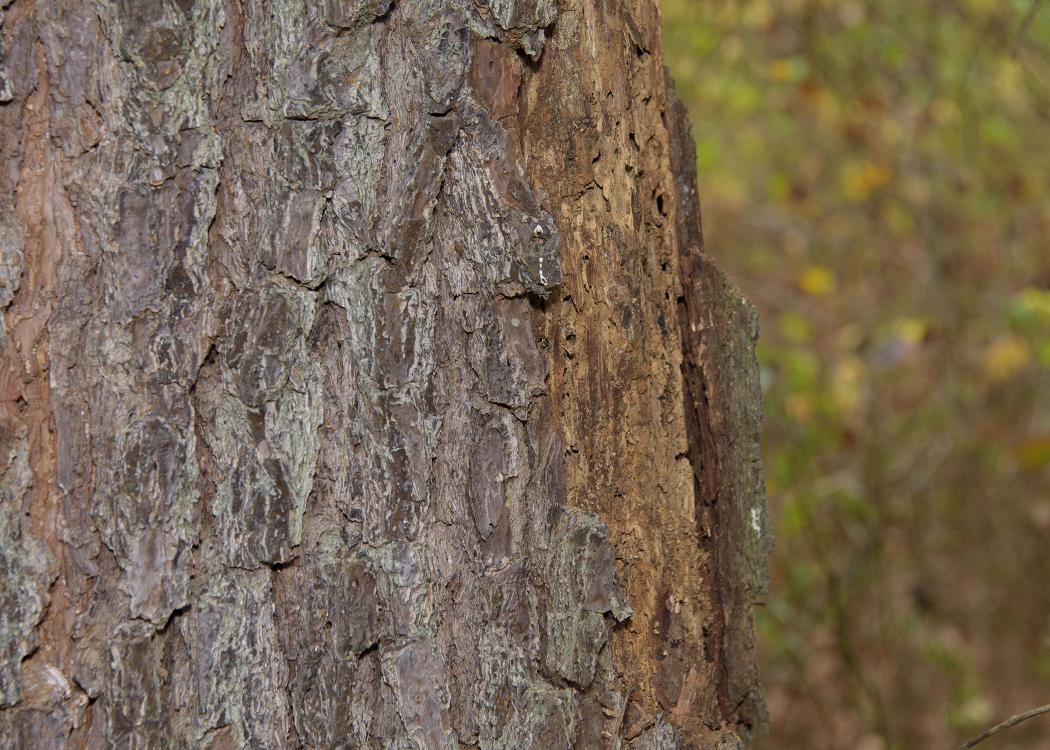
the wood appears dead, check the layer of wood directly
under the bark for discoloration. If that layer is black or
brown, prune back behind the discoloration, but wait until
late spring for any pruning," Skelly said. "The median date
for the last freeze ranges from March 1 to 11 for the coast
to April 1 to 10 in north Mississippi. Since pruning
stimulates new growth, that growth would be more susceptible
to cold in the next few weeks." Fruits
and roots are the least tolerant of cold injury because they
have little ability to adjust or build up tolerance to
colder temperatures. The horticulturist said special efforts
could protect some plants from similar cold snaps in the
coming weeks. Skelly
said windbreaks, such as temporary coverings, can help
protect plants from injury when sudden cold fronts pass
through an area. Covers that reach the ground and do not
come in contact with foliage help reduce the amount of
radiant heat loss. When
extremely cold temperatures are eminent, place a light bulb
or other heat source (60 watts is sufficient) under the
cover to provide heat. Be extremely careful when doing this
as it create is a potential fire hazard. Do not let the bulb
or heat source come in contact with the plant or cover.
Remove the covers and/or provide ventilation during the day
to allow for the release of heat trapped by solar
radiation. Soil
that is well-watered will absorb more heat and will then
radiate heat again from the ground helping to increase the
elevated temperature around the plants. However, poorly
drained soils will result in weak and shallow root systems,
which are more susceptible to cold injury. "Mulching
the soil is very important. Mulch helps reduce heat loss,
thus minimizing temperature fluctuations and protecting the
roots of plants," Skelly said. Released:
March 4, 2002
Mississippi Agricultural
News
![]()
'Wait-and-see'
before assessing
cold damage
Contact: Dr. Sonja Skelly, (662) 325-0506
Mississippi State University Extension Service
Visit: DAFVM
|| USDA
Search our Site ||
Need more information about this subject?
Last Modified: Friday, 19-Dec-08 10:27:58
URL: http://msucares.com/news/print/agnews/an02/020304.html
Mississippi State University
is an equal opportunity institution.
Recommendations on this web site do not endorse
any commercial products or trade names.