
Ornamental & Tree Diseases
Oedema
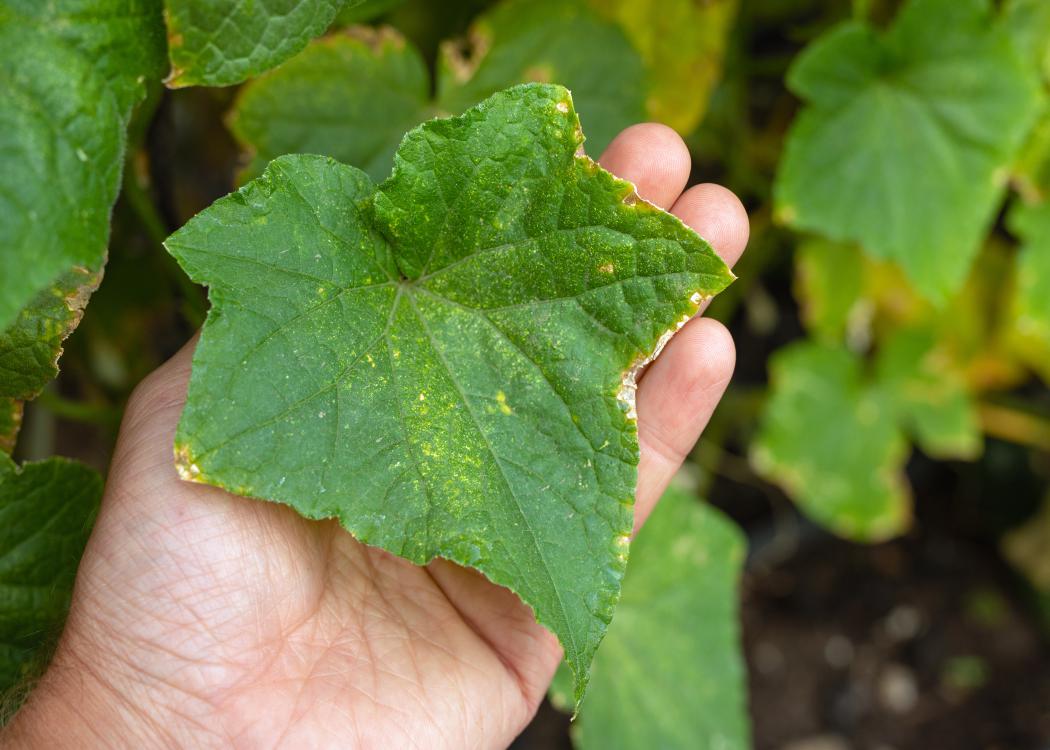
Oedema is a non-parasitic disease associated with excessive soil moisture and reduced transpiration. Oedema is recognized by the presence of small, raised areas on the leaf giving it a pimply appearance. The protrusions initially are water-soaked and somewhat darker green than surrounding areas. These spots later become necrotic, brown, corky areas in the leaf. Corky ridges may develop on the leaf petioles of certain plants. The protrusions occur on both sides of the leaf, but are more pronounced on the under surface. The leaf blades may be distorted and smaller than healthy leaves.
Oedema is known to occur on camellias, geraniums, begonias, mahonia, schefflera, peperomia, and vegetables such as cabbage and tomatoes.
Oedema is likely to develop when the soil is moist and warm and the air is moist and cool. This environment will result in rapid water absorption from the soil and slow water loss from the leaves which in turn results in a swollen condition in the leaf's cells and bursting of some cells, followed by the development of the corky swellings. The trouble is usually more severe in late winter and early spring during cloudy weather. Oedema is not fatal nor is it known to be detrimental to the vigor of the plant, but it is unsightly and lowers the value of the plant.
How do you go about controlling oedema? If plants are given sufficient light and air movement without excessive water, oedema does not become a problem. Once symptoms develop on the leaves, they remain during the life of those leaves. However, when the plants are given good growing conditions, the new growth that appears will not be affected.