

|
||||||||||||||||||||||||||||
|
Discouraging Deer in the Garden The populations of white-tailed deer have risen dramatically in the eastern United States in recent years. In addition to abundant deer, many have expanded their range and seem well suited to living in rural and even urban residential areas. Deer are opportunists, and will feed upon over 700 species of plants. Unfortunately many of these preferred plants are food crops or ornamental plants that are often grown in gardens. Deer will feed heaviest in late spring, summer, and fall; and adult deer will consume an average of 6 to 10 pounds of food per day. There are a number of methods available to discourage deer from an area, each with varying levels of effectiveness. By far the use of fencing is the most effective long-term solution to preventing deer damage. Although deer can jump fences exceeding ten feet in height, most of the time they prefer not to, and a height of eight feet is usually sufficient. It is suggested that the fences to be electrified, to be kept clear of vegetation at least six feet from the fence, and to have the bottom strand no more than six inches from the ground.
Repellents A number of repellants are commercially available that are advertised to repel deer. Repellants work by either having a bad taste or odor to the deer. Although most work in the short term, they often must be applied to the target plants on a regular basis. There are many types of repellants including human hair, mothballs, bloodmeal, soap and commercial chemicals. These should be rotated in usage regularly and applied every 3-4 weeks. The cost effectiveness of this measure is best when the area of application is small and easily accessible.
Dogs While effective, the use of dogs to deter deer has limited applications. Most residential areas have leash laws for dogs and prohibit them from running at large. Even with the use of electric invisible fences to contain dogs, not all dogs will respect an electric fence when pursuing a deer or other wildlife.
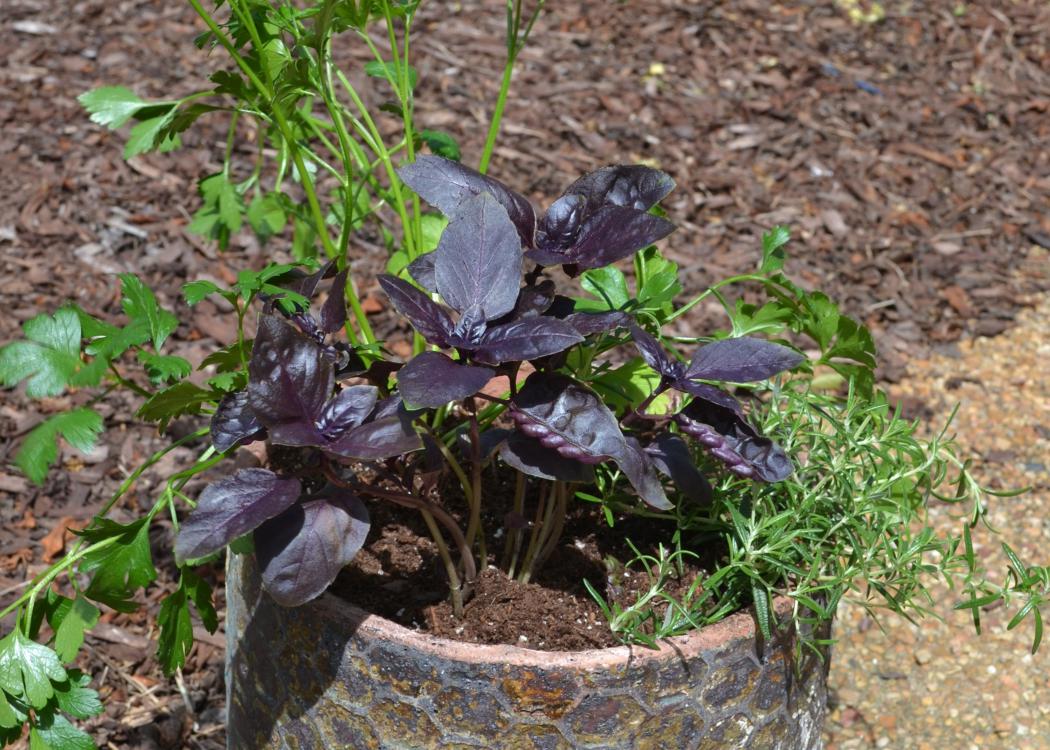
Selecting Plants that Deer Dislike Another method to reduce deer damage in prone areas is to choose plants that deer do not like. Studies have shown that there are plants that are preferred by deer and some that are generally disliked. Hungry deer will eat almost anything and prefer young tender plants to older tougher shoots. Preferred deer plants include fruit trees such as apples, pears, and plums; cedars and arborvitae, viburnum, birch, dogwood, daylilies, hostas, hydrangea, and yews. Many popular ornamental annual and perennial plants (because they are usually tender and succulent) are very susceptible to deer browsing. Plants that have been observed to be rarely damaged in the landscape by deer browse, include: (Source: Cornell University)
Written by Robert F. Brzuszek, Assistant Extension Professor, The Department of Landscape Architecture, Mississippi State University. |
|||||||||||||||||||||||||||
Visit: DAFVM || USDA Search our Site || Need more information about this subject? Last Modified: Thursday, 10-Apr-08 10:58:18 URL: http://msucares.com/lawn/landscape/wildlife/deer.html Mississippi State University is an equal opportunity institution. Recommendations on this web site do not endorse any commercial products or trade names. |
||||||||||||||||||||||||||||