

|
||||||||||||||||||||||||||||||||||||||||||||||||
|
Attracting Birds to Mississippi Gardens When designed properly, residential gardens can attract a wide array of songbirds and other wildlife. With careful selection and placement of plants, it is possible to create a landscape that not only has ornamental interest throughout the year but also provides for the needs of various animal species. Birding is one of the most popular leisure activities in the United States and is well suited to the home environment. Certain shrubs and use areas can be located within view from windows of the home, and allow for comfortable indoor observation. Birds can be attracted to a backyard by simply putting out bird feeders and baths, but many more species of birds can be seen with the addition of their favorite plants. Birds that can be found in an area are either permanent residents or migratory. Species that you will often find throughout the year around homes are mockingbirds, cardinals, blue jays, Carolina chickadees, tufted titmouse, American robin, Eastern bluebird, woodpeckers and more. Birds that reside in the southeastern U.S. during the winter include American goldfinch, hermit thrush, pine siskins, purple finch, sparrows, and cedar waxwings. Birds that stay in summer include orioles, buntings, martins, warblers, vireos, and hummingbirds. Additionally, there are many more species that stop to visit during their migratory journeys. A successful garden for birds incorporates a wide variety of garden edges, plant layers, open spaces, and plants. Edges are the transition areas between tree and shrub zones and open spaces, such as lawns. Many birds that frequent residential gardens prefer perching areas on trees and shrubs that face an open area. With more edges to the garden, there are more opportunities for birds to use an area. Plant layers refer to the vertical stratification of the garden. By providing many height layers of vegetation, such as canopy trees, understory trees, large shrubs, small shrubs, and groundcovers, there are more environments for the various bird species to utilize. Large open lawns are not only monotonous in appearance, but are of little value to attracting birds. Some open areas are desired for ground-feeding birds but should have nearby shrubs and trees for ready cover. Backyard birds require a wide variety of foods, and vary from small seeds, to berries, nuts, fruits, and insects. Therefore a variety of plants that provide these foods will attract and support a larger variety of bird species. All birds need food, water, shelter, and breeding space to survive. In addition to the wildland food plants, birds will consume a large number of insects, especially during the nesting season - so it is important to avoid using pesticides in the garden. The following is a list of plant species that provide food for birds and are suitable for growing in Mississippi.
Water Water is a critical element for wildlife, especially during times of drought. Birds will often get water from fruits and other juicy sources but need water on a regular basis. Keeping a birdbath filled with clean water is one of the best things you can do for birds. In addition to quenching their thirst, they will use it to take baths and clean off parasites. Birds will drink water from anything that is available, including puddles, streams, ponds, ditches, water bowls, or any other container.
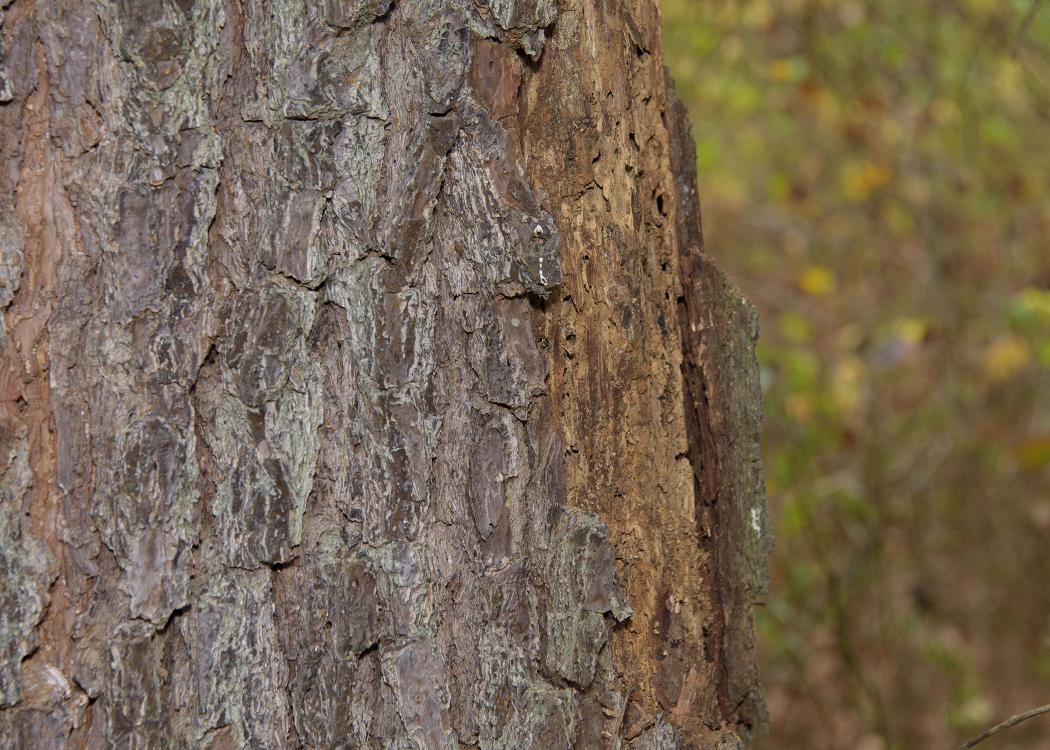
Shelter and Nesting The arrival of spring brings a bundle of activity to backyard. Twigs, leaves, spider webs, bark, feathers, hair, mud, lichen, dryer lint, thread and grasses are being collected by parent birds at this time to create the perfect nest. These nests are only used for rearing a brood, and often used only once. They select an area that is well hidden and usually pick a spot with dense foliage. Thorns and prickly leaves are an extra benefit, and spiny shrub thickets make an excellent nesting spot. Planting and maintaining a fair amount of dense shrub thickets will provide good safe nesting space, as well as an area for birds to shelter in during inclement weather. Cavity nesting birds, such as woodpeckers and owls, need older pine or hardwood trees that they can hollow out for a nest. Written by Robert F. Brzuszek, Assistant Extension Professor, The Department of Landscape Architecture, Mississippi State University. |
|||||||||||||||||||||||||||||||||||||||||||||||
Visit: DAFVM || USDA Search our Site || Need more information about this subject? Last Modified: Thursday, 10-Apr-08 10:58:16 URL: http://msucares.com/lawn/landscape/wildlife/birds.html Mississippi State University is an equal opportunity institution. Recommendations on this web site do not endorse any commercial products or trade names. |
||||||||||||||||||||||||||||||||||||||||||||||||