
|
||||||||||||||||||||||||||||||||||||||||||||||||||||||||||||
|
Home Gardening North
Mississippi Gardening Tips Flowers When you mention flowering annuals most people think of marigolds, zinnias, petunias and other summer annuals, but we in the South can also grow annuals during the winter months. Garden centers and nurseries usually have a selection of winter annuals available in the fall. Selections would include pansies, dianthus, English daisy, stock, snapdragon, wallflower, and forget-me-nots. Some cold tolerant annuals you can easily grow from seed sown in the fall would be rocket larkspur (Consolida ambigua), poppies, Johnny-jump-ups, and bachelor's buttons (cornflowers). Many gardeners do not know that these cold tolerant plants can often go right through winter with little or no protection. Most of these can withstand temperatures in the teens. Single digit temperatures would kill some without protection. Those most cold hardy are English daisy, Johnny-jump-up and pansies. Remember that susceptibility to cold damage is not based solely on the degree of temperature but the duration and how fast the drop in temperature occurs. A gradual cooling is easier to take than an overnight plunge from 60 to 5 degrees.
Container Gardens Now that you have moved all the tender "porch plants" indoors, have you thought about what you are going to do to fill the void? To add some "plant interest" for the winter months to those barren areas vacated by your tender container plants on the porch, entranceway, deck or patio, how about considering planting an evergreen in a container? Evergreen shrubs are without question the most versatile and frequently used plants in the landscape, so it's a little surprising you don't see them in containers more often. Choosing the right evergreen for a container is a matter of personal taste and the plant's requirements. The top evergreens for containers are yew, junipers, boxwood, arborvitae, dwarf Alberta spruce, camellia, hollies and cherry laurel. Don't forget to consider the plant's ultimate size and shape. For plants that will receive full sun, use a heavier soil mix for the container so it won't dry out as quickly. Adding water-absorbing gels to potting soil can help retain moisture. Good drainage is critical so make sure the container has adequate drainage holes. Elevate the pot with "pot feet" if the bottom is not concave enough to allow a space for the water to drain easily from under the pot. Don't let your outdoor living areas and entranceways be "plant naked" this winter. Dress them up with evergreens in containers!
Fruit Fruit bearing trees, vines, shrubs and brambles can be planted now. Balled and burlapped, bare-root and container-grown fruit trees to plant would include peaches, apples, cherries, pears, plums and nectarines. Grapes, muscadines, raspberries, blackberries, and blueberries can also be planted during November and December. Be sure to plant two or more cultivars of blueberries for cross-pollination and fruit set. Check with your nurserymen if you are purchasing one muscadine plant to make sure it is a variety that will set fruit. Some muscadine varieties have only female flowers and would require another variety as a male pollinator for fruit set. These muscadine varieties require a pollinator: Scuppernong, Summit, Fry and Jumbo. These muscadine varieties are self-pollinating and will pollinate the varieties listed above: Carlos, Magnolia, Roanoke, Doreen and Regale. Plant Chinese chestnut, pecan, walnut and other nut trees now. Always plant two or three Chinese chestnut trees so they can cross-pollinate. This will ensure a good nut harvest.
Trees and Shrubs Hardwood cuttings are typically taken in December, January and February. What is a hardwood cutting? This type of cutting is made from a plant while it is dormant or after it has completed its annual growth and the wood has had time to become hardened. Examples of plants that can be propagated by hardwood cuttings are althea, quince, wisteria, crapemyrtle, hydrangeas, rose, and spirea. This method will also work with many evergreens, including junipers and yew. Cuttings should be from tip growth, from four to eight inches long with four to six buds per cutting. Put the cuttings in an outdoor propagation box or directly outdoors in a well-drained soil. Stick cuttings deep, leaving only the top four inches exposed. Keep soil evenly moist and protect cuttings from drying winter winds. Watch for new growth in spring. When new foliage emerges and the roots are well-developed transplant to a container or to a place in the garden. These young plants will need coddling through their first year as they establish a good root system and begin to form branches. Keep them well watered and fertilized all through the growing season.
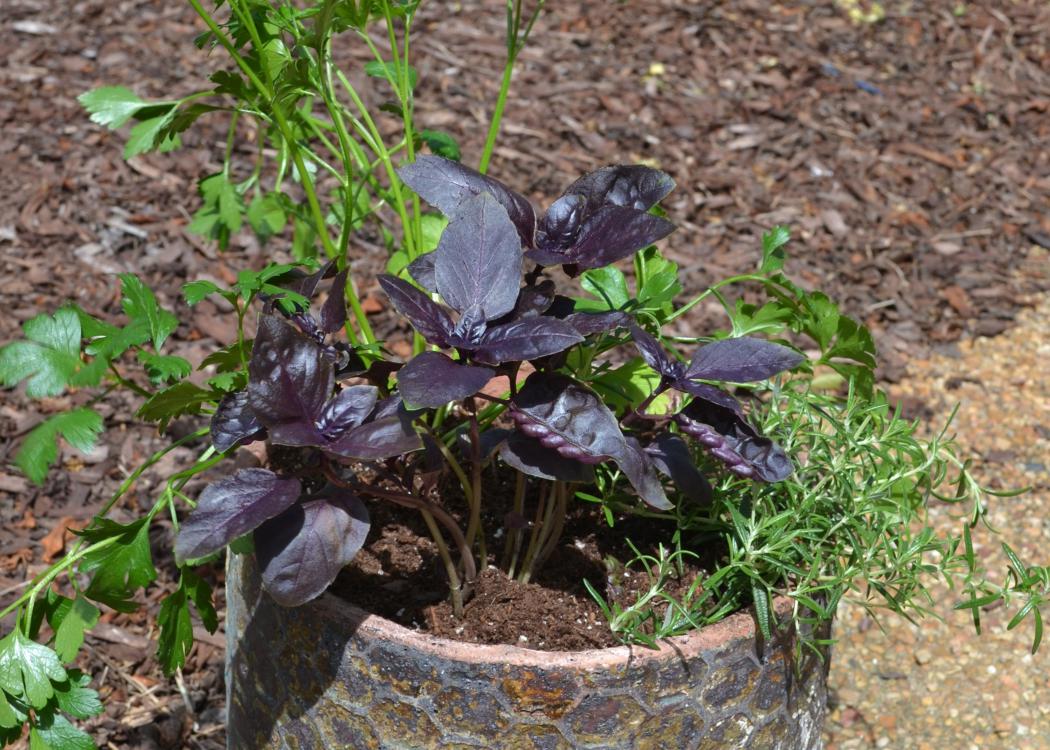
Vegetables and Herbs The vegetable garden probably looks pretty barren and sad by this time. If you are not growing cool-season vegetables, you should consider "covering" that barren vegetable plot with a cover crop. November is not too late to sow a cover crop of Austrian winter peas in north Mississippi. Unless we have exceptionally cold temperatures after sowing these peas should germinate and grow well if sown in early November. It is probably too late to sow crimson clover as this plant needs a period of warm weather to get established. Cover or green manure crops prevent washing, keep the soil loose through the winter, build nitrogen in the soil, and provide green manure humus when you turn them under in the spring. The only problem I have ever found with growing Austrian winter peas as a cover crop is deer eat it like candy. If your property is subject to roaming deer, be prepared to take preventive measures to keep these large "rodents" from making a feast of your winter peas. Now through December is the time to plant garlic. Plant garlic cloves 2 to 3 inches deep in well drained highly organic soil. The foliage will soon emerge and form somewhat of a rosette that will remain through the winter. More vigorous growth will resume in the spring with the onset of warmer weather. Tip: To remove skin easily from garlic cloves, soak cloves for five minutes in warm water. If you are an herb gardener or if you are just interested in herbs you might want to check out the herb information on the Mississippi State University website. The herb information Web site address is http://www.msucares.com/lawn/herbs/index.html. This Web page provides links to other herb information about cooking with herbs (recipes included), growing herbs in the vegetable garden, and herbal gifts (directions for several projects included). Lelia Scott Kelly, Ph.D., writes North Mississippi Gardening Tips monthly and is a Horticulture Specialist with the Mississippi State University Extension Service. Her office is in the North Mississippi Research & Extension Center, Verona. |
|||||||||||||||||||||||||||||||||||||||||||||||||||||||||||
Visit: DAFVM || USDA Search our Site || Need more information about this subject? Last Modified: Thursday, 10-Apr-08 11:10:04 URL: http://msucares.com/lawn/garden/northmissgarden/04/11_12.html Mississippi State University is an equal opportunity institution. Recommendations on this web site do not endorse any commercial products or trade names. |
||||||||||||||||||||||||||||||||||||||||||||||||||||||||||||