
|
||||||||||||||||||||||||||||||||||||||||||||||||||||||||||||
|
Home Gardening Wisteria is a Southern landscape
favorite
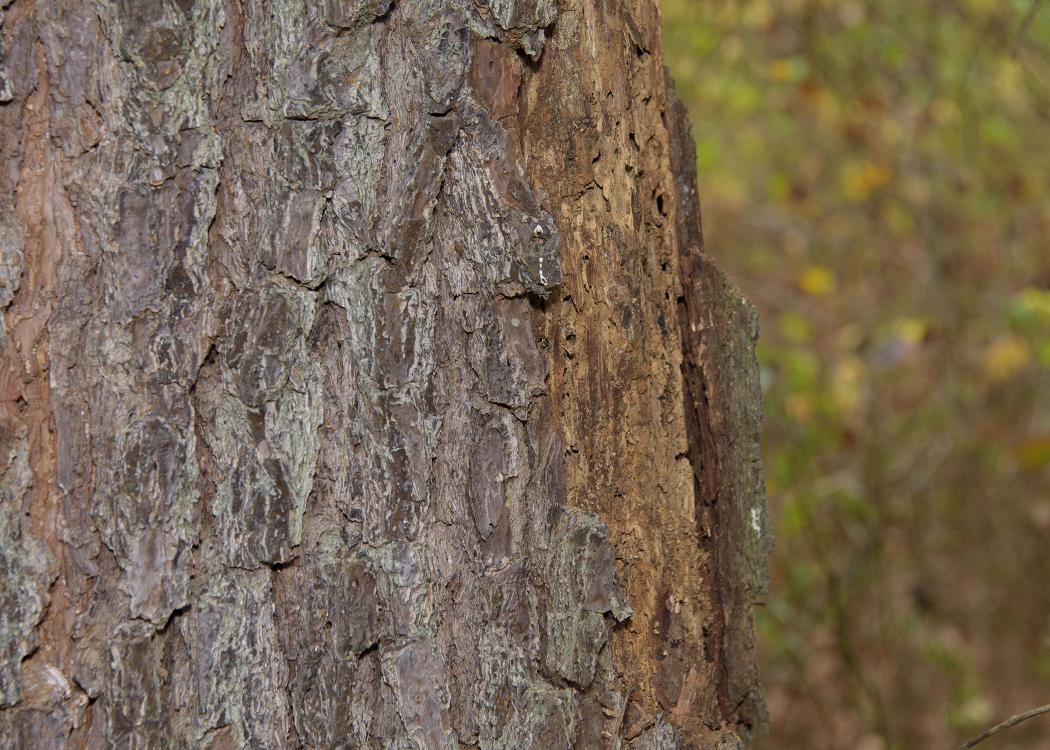
When I was a boy, our family had two wisteria vines in the front yard. One of them stood alone in the center of the lawn and was rather tame and manageable. The other grew up a tall pine tree and reminded me of Jack's beanstalk, or perhaps a burly boa constrictor wrestling with its prey. Both were attractive members of the landscape whose behavior depended on their location and how they were managed. Using vines in the landscape is a great idea and to be successful with them it's important to know how they grow. In the case of wisteria, it has fantastic blooms and attractive foliage, but it can't be trusted to stay in one place. So, it is considered by some to be invasive. It readily reproduces from seed, but its invasive character comes from its ability to climb just about anything. Now that's good if you have a trellis, arbor or pipe fence, but not so good if it finds your trees, shrubs or telephone poles! Therefore, wisteria is best used as an attractive, rapidly growing cover for garden structures to provide shade and decoration or as a specimen plant for seasonal color in an open landscape setting. There are several types of wisteria, but two spring blooming forms are Chinese wisteria (Wisteria sinensis) and Japanese Wisteria (Wisteria floribunda). Chinese wisteria is most widely grown in the South. It produces flowers before the leaves sprout. The Japanese Wisteria blooms a little later with young leaves present. One way to tell these two apart is by noting which way they twine. Chinese wisteria twines upward from left to right while Japanese wisteria twines upward from right to left (you can impress your friends with this information!).
Wisteria blooms on last year's wood so prune lateral, smaller branches back to 3 or 4 buds each year after flowering to keep the plant compact and floriferous. Flowers are fragrant and some like the smell while others may find it overpowering. Understand that it may take five to seven years for wisteria to bloom prolifically. Purchase cultivars when available. There are a bunch of them with flowers from white to pink and shades of purple. Happy gardening! Publications may download photographs at 200 dpi: Purple | White These archived columns were written by Kerry Johnson, a hobby gardener, former weekly newspaper columnist and an Area Extension Horticulture Agent for 11 coastal counties in Mississippi. |
|||||||||||||||||||||||||||||||||||||||||||||||||||||||||||
Visit: DAFVM || USDA Search our Site || Need more information about this subject? Last Modified: Thursday, 10-Apr-08 11:08:39 URL: http://msucares.com/lawn/garden/msgardens/04/040322.html Mississippi State University is an equal opportunity institution. Recommendations on this web site do not endorse any commercial products or trade names. |
||||||||||||||||||||||||||||||||||||||||||||||||||||||||||||