

image used as white space
MSUcares header Link to home page

Mississippi Gardens Newsletter ArchivesChinese elm has become a Southern favorite
Mississippi Gardens Newspaper and Web Column - July 7, 2003

Chinese ElmOne of America's most dearly loved and appreciated trees is the native elm. At one time, the American elm (Ulmus americana) was probably the most well known and widely used tree species for home lawns and urban plantings. Its habitat stretched from central Canada to Texas covering the entire eastern part of the U.S. The wood of the American elm had many uses including furniture, paneling and containers. However, around 1930, a deadly fungus was introduced that came to be known as Dutch Elm Disease. It decimated native elm populations. Today, thanks to dedicated researchers and plant producers we have outstanding elm trees that once again grace our landscapes, parks and city streets.

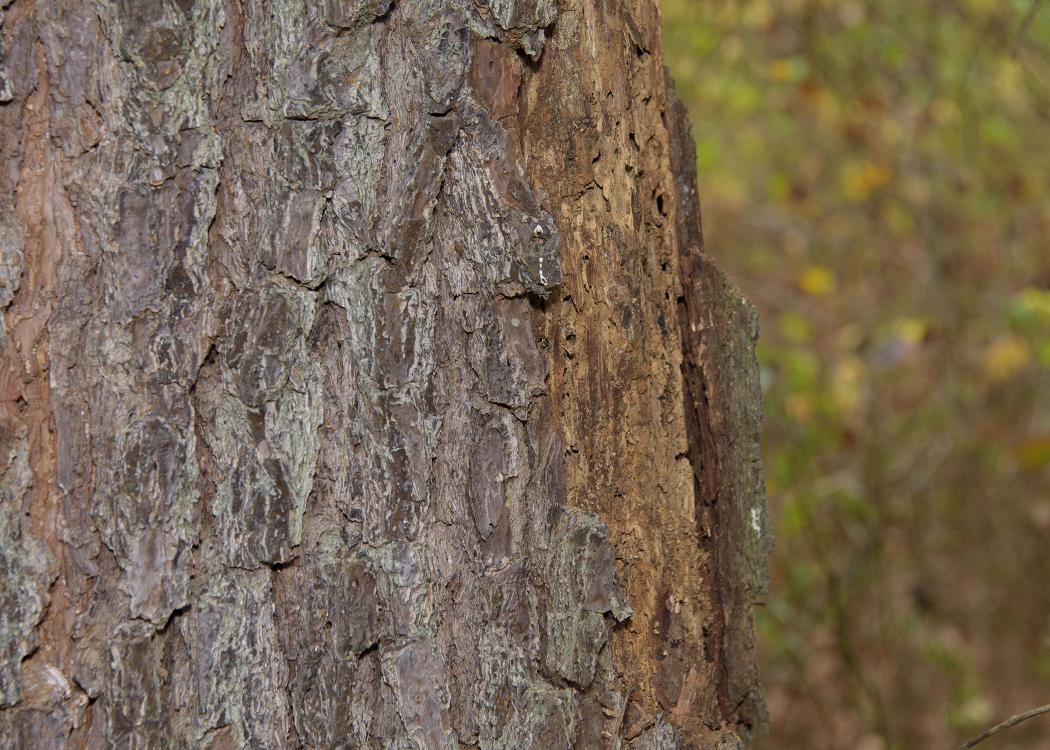
The most widely recommended substitute for the American elm is the Chinese elm (Ulmus parvifolia). This beautiful introduction, also known as Lacebark elm, is a native of China and Japan, but has very quickly become a southern favorite. It has a dense, broad, rounded crown of spreading branches; showy, exfoliating bark and small, dark glossy green leaves that are slightly saw-toothed. It has a rapid rate of growth for the first ten years or so and is resistant to the disease and insect pests that plague the American elm.

Not only is the Chinese elm a very attractive tree for Southern landscapes, but it also requires little maintenance and is very durable. Once established, it is somewhat drought tolerant and is an outstanding performer. Its favorite habitat is a moist, loose, fertile, loamy soil with either acid or alkaline pH and full sunlight but will tolerate almost any situation. Relatively speaking, the Chinese elm is a small tree with an average mature size of 30 to 40 feet tall and 25 to 35 feet wide. It is often used as a specimen or accent plant and serves well as a sidewalk, parking lot or patio tree.

There are many cultivars of Chinese elm in the market place today, but the most popular and widely available is 'Drake'. This cultivar is semi-evergreen with rich, dark green foliage on spreading branches that tend to weep somewhat. The exfoliating bark is typically a handsome combination of gray, green, orange and brown. Other outstanding cultivars exist but may not be as easy to locate as 'Drake'. These include 'Allee' (a.k.a. 'Emer II' and 'Emerald Vase'), 'Athena' (a.k.a. 'Emer I and 'Emerald Isle'), 'Burgundy' and several others. Space does not permit a complete description here but any of these listed cultivars would make an excellent addition to any southern landscape.

Publications may download photographs at 200 d.p.i.: Trunk | Leaves | Tree

These archived columns were written by Kerry Johnson, a hobby gardener, former weekly newspaper columnist and retired Extension Horticulture Agent for 11 coastal counties in Mississippi.