
image used as white space
MSUcares header Link to home page

Mississippi Gardens Newsletter ArchiveQuince tree is one of our fruit heirlooms
Mississippi Gardens Newspaper and Web Column - December 2, 2002

We rounded the corner of the farmhouse and immediately my son and his cousin, both seven years old, hollered, "apples!" It was the first time either of them had noticed fruit on the sixty-year-old quince tree in papaw's yard. And I had to agree they looked a bit like apples. Realizing that it was a teachable moment I retrieved one of the large fruits and sliced it for them. They popped it in their mouths and promptly screwed up their faces from the mix of very tart and slightly bitter flavors. Since I knew it would later be suggested that I took advantage of their age and inexperience I ate some too. Wow! Anyone who has ever tasted fresh quince knows why we restrict its use to jellies and other preserved quince products.

Quince apple close up shotThe quince tree is one of our heirloom fruit trees that have almost been forgotten. One source states that in the early 1900's most farmsteads in our country had at least one quince tree. Perhaps, since the quince is seldom, if ever, eaten fresh, it fell out of popularity as did home canning. Every now and then, though, someone who remembers grandma's quince jelly will ask where a tree can be purchased for the yard or garden orchard.

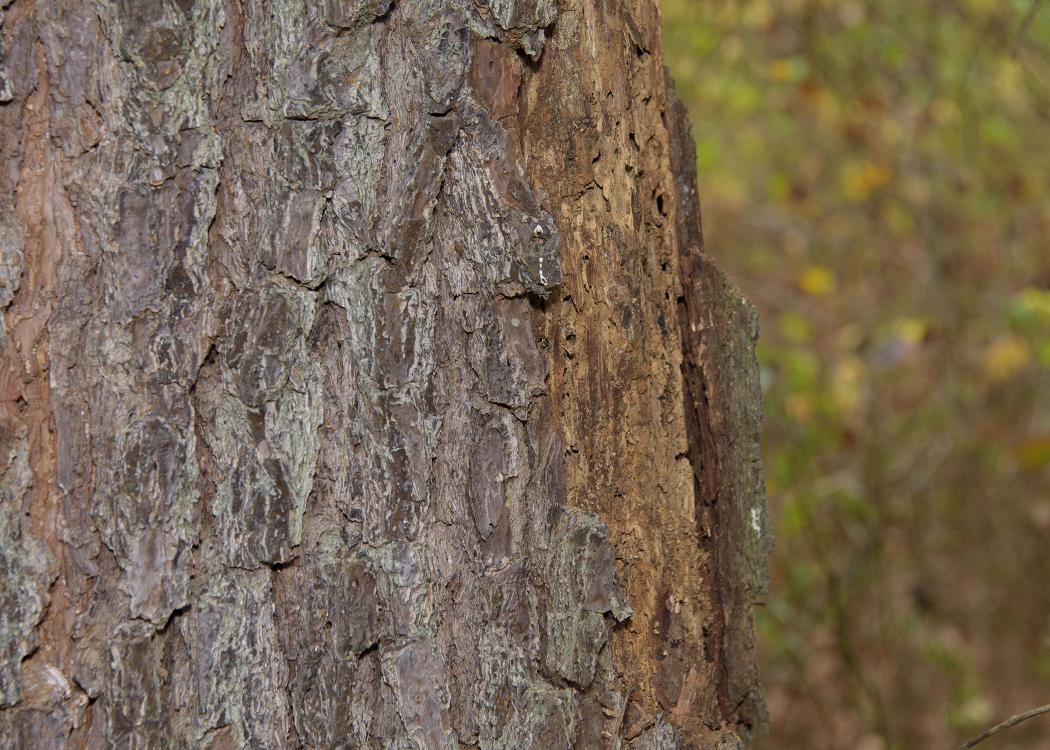
The common quince (Cydonia oblonga) forms a small tree that flowers in spring and produces fruit in the fall that may weigh up to one pound. The fruit is round, pear-shaped and quite hard. Quince is self-fertile so only one tree is needed to produce fruit. The common quince is a dual-purpose tree since it produces edible fruit and makes splendid backyard ornamental trees. Part of its beauty comes as the tree ages and develops very attractive exfoliating (peeling) bark similar to that of some crepe myrtle trees.

Quince trees are very durable and can survive neglect in a wide range of soil types. Only light fertilization is needed for growth and disease prevention. Quince trees can get fire blight, but are typically less affected than pear trees. Another disease, quince rust, may cause crop losses in some years, but neither of these infirmities should prevent us from using quince trees in the garden orchard. Little pruning is needed, except for removing occasional water suckers. The quince tree is best located in full sun.

Locating a quince tree may be difficult. Some area nurseries and garden centers may have quince or can order them for you. Seedling quince is a good choice, or you may find cultivars with names like 'Apple', 'Champion', 'Pineapple' and 'Smyrna'. Whichever one you find you can be confident that it will be a tree you will cherish for a lifetime.

Publications may download photograph at 200 d.p.i.

These archived columns were written by Kerry Johnson, a hobby gardener, former weekly newspaper columnist and retired Extension Horticulture Agent for 11 coastal counties in Mississippi.