image used as white space
MSUcares header Link to home page

Fertilizer Management

Crops Require Sulfur

Larry Oldham, Ph.D.

Extension Soil Specialist
Mississippi State University Extension Service

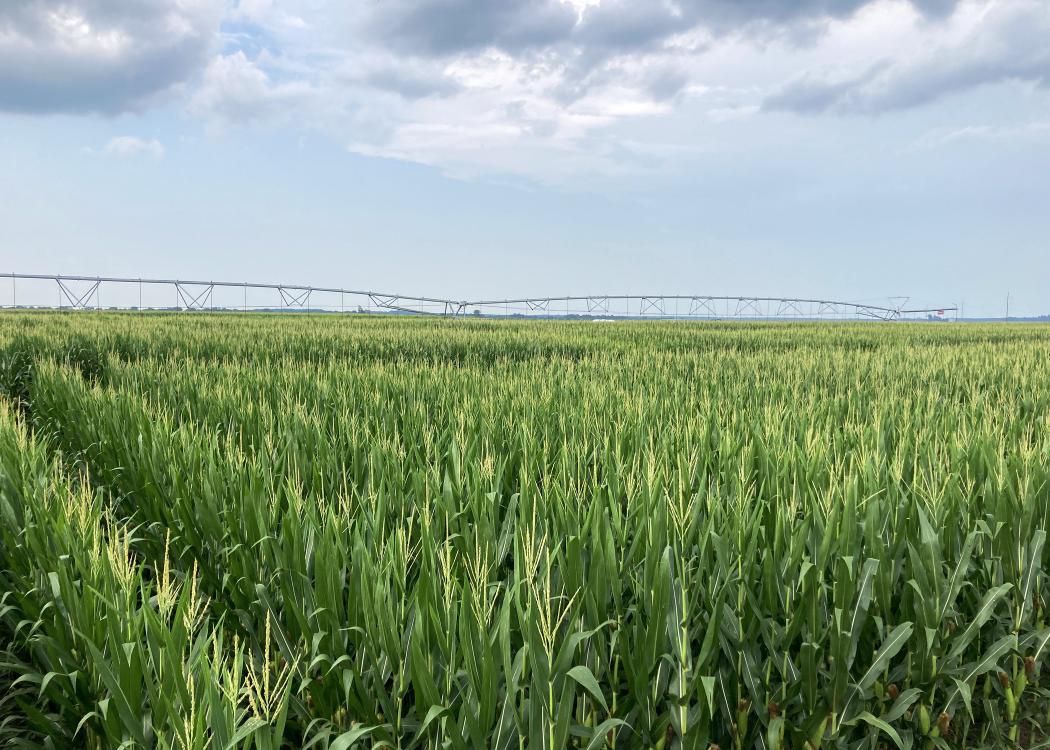
Planting proceeded at a record pace in Mississippi; the dry, relatively cool weather which allowed early planting also led to several reports of sulfur deficiency in corn. Crops must have sulfur. A 120 bushel corn yield will need about 20 pounds of sulfur per acre. Two-bale cotton will use 24 pounds per acre.

Many Mississippi producers surveyed a few years ago reported sulfur use in their fertility program. Serious sulfur deficiencies were once thought to be confined to sandy soils with relatively low organic matter. However, deficiencies have been reported in a variety of situations.

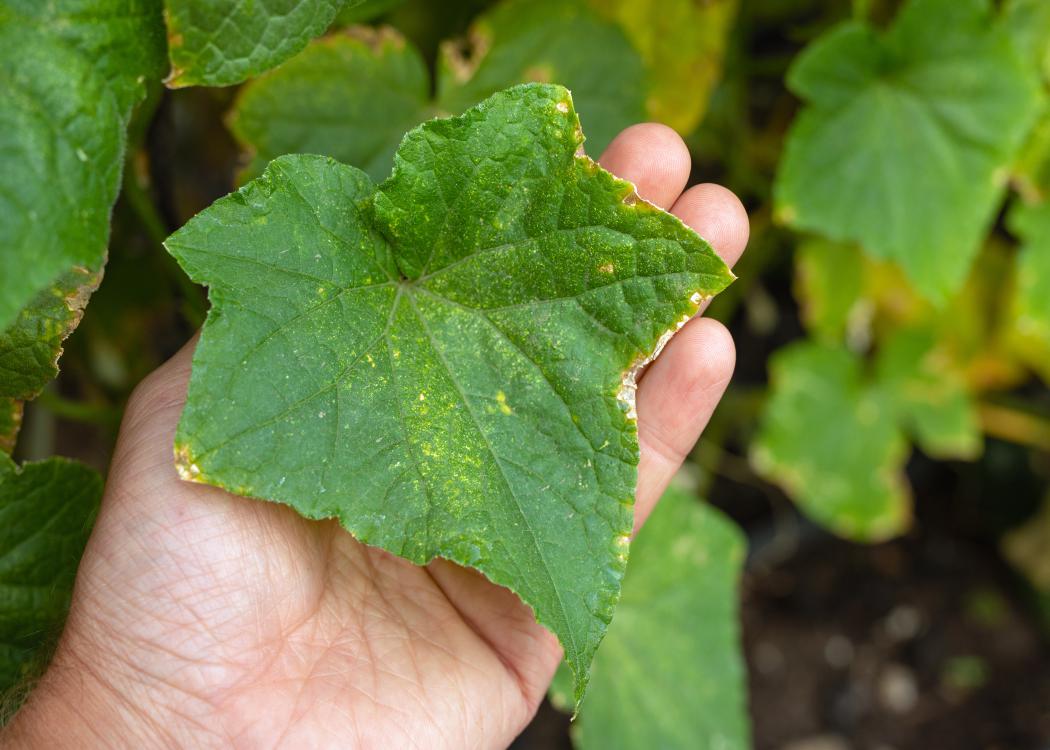
Whole plants suffering from sulfur deficiency are light green with more expression in the upper parts. Sulfur deficiency is often confused with nitrogen, however nitrogen deficiency is more noticeable in the lower, older parts. This difference is due to the relative mobility of the different nutrients within the plant. Grass plants, including corn, will develop interveinal chlorosis.

Plants take up sulfur as sulfate, which does not attach to soil clay and organic matter, in contrast to phosphate ions. Sulfur may be lost through leaching, similar to nitrate nitrogen losses, because it remains in the soil solution.

Sulfur in organic matter is mineralized to sulfate by soil microbes. When soil organic matter is limited, or as happened this spring, microbial activity and/or plant root growth rates are slowed by cool temperatures, insufficient sulfur will be available for plant use. Plants may overcome this type of problem when growth increases and temperatures rise.

Several pathways exist for sulfur addition to soils. Older fertilizer materials such as monoammonium phosphate (11-48-0-2.2S) and single superphosphate (0-20-0-14S) provide sulfur in addition to the primary nutrients. Additional sulfur is derived from rainfall, although clean air technology (examples catalytic converters and industrial flue gas scrubbers) has lessened this amount over the past few decades. (Recent National Atmospheric Deposition Program data for Mississippi is 10-14 pounds sulfate per acre.) Irrigation also supplies sulfur, recent water quality analysis found 0.5 to 43 ppm sulfur in 31 wells throughout the Mississippi Delta counties (J. Thomas, MSU-ES).

If sulfur deficiency is suspected, obtain laboratory analysis of sulfur and nitrogen in 'good' versus 'bad' plants. Determine the ratio of nitrogen to sulfur (in percentage or ppm, as long as each in the same unit) in the plants; non-deficient plants will have N/S ratios in the range 7/1 to 15/1.

Monitor confirmed sulfur problems for a short time as symptoms may lessen as plant root activity increases. Topdress dire situations with a sulfate source at 20 pounds sulfate-S per acre, as long as rain or irrigation can move it into the soil.

Sulfur containing fertilizers include ammonium sulfate (21-0-0-21S), potassium sulfate (0-0-52-16S), potassium magnesium sulfate (K-mag, 0-0-21-23S). A common program is sidedressing using ammonium thiosulfate (12-0-0-26S) blended with liquid nitrogen solutions for a 28-0-0-5S product.. If it is available and can be applied, gypsum (18% S) may be used.

Elemental sulfur is available; however the sulfur in it must be oxidized to the sulfate form before plants can utilize it. The oxidation rate depends on the particle size on the particular material, temperature, and moisture, so it has more utility in a planned fertility program than in remedial use. Elemental sulfur is also used to lower soil pH.

In summary, if crop sulfur issues are suspected, confirm with plant sampling and continue field monitoring. Several options are available for remediation. Be prepared to address sulfur more in coming years if tillage decreases soil organic matter, air becomes cleaner, and non-sulfur fertilizer material use continues.

-30-

This magazine article was written by Dr. Larry Oldham for the Delta Farm Press in May, 2004.