Catfish: NWAC 103 Line

Since 1986, the USDA/ARS Catfish Genetics Research Unit in Stoneville, Mississippi has conducted research with the goal of enhancing the genetic potential of channel catfish. An important product of this research program has been the development and evaluation of a line of channel catfish tested under the experimental name, USDA 103. The USDA 103 line exhibited excellent growth compared to other catfish used by producers. The USDA and Mississippi Agricultural and Forestry Experiment Station (MAFES) began a joint release in February 2001 of the new catfish under the name National Warmwater Aquaculture Center 103 (NWAC 103). The following information summarizes the performance data gathered over six years of study and details the release of the line to producers.

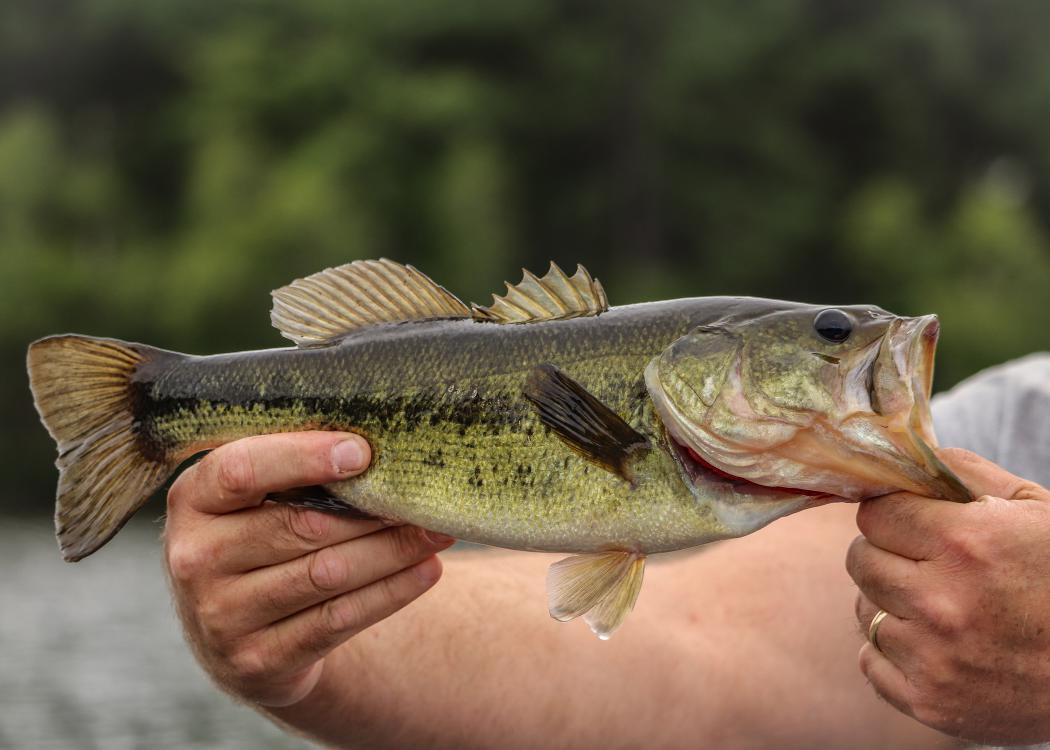
Photo of fishOrigin

The original stock of NWAC 103 catfish was obtained from the U.S. Fish and Wildlife Service National Fish Hatchery system. Sub-adult fish (1992 year class) were obtained in 1993 and reproduced in 1994 as 2-year old broodfish. Subsequent generations developed for joint release were produced and selected from the offspring of 2-year old spawners. Full-sibling families obtained in 1994 were selected for resistance to Enteric Septicemia of Catfish (ESC) and fish selected within families for growth rate were saved as future broodfish. Those offspring (1998 and 1999 year classes) were cultured in earthen ponds at the NWAC prior to release.

Distinguishing Genetic Information

In order to identify and maintain the genetic integrity of NWAC 103 channel catfish, a DNA fingerprinting system was developed. DNA can be quickly isolated from a blood sample or a small tissue sample and used to distinguish NWAC 103 catfish from non-NWAC 103 catfish. DNA markers have been characterized in three generations of catfish from the NWAC 103 line and compared to fry from 20 commercial fingerling operations in Mississippi, Alabama, Arkansas, and Louisiana, and wild fish from the Mississippi River. Based on information obtained from these markers on a random sample of 96 fish from a fingerling pond, the chance of any two contaminant fish being classified as a NWAC 103 catfish is 1 in 59 million. There is even a smaller chance, 1 in 100 million fish, that NWAC 103 fish would undergo mutation and become classified as non-103 fish.

Growth and Performance in Tank Studies

Seven different studies were conducted to compare growth performance, carcass composition, and serum hormone levels of NWAC 103 catfish versus other catfish. In one or more of the studies, five other catfish stocks, five dietary protein levels, and effect of two culture temperatures were evaluated. These studies were carefully controlled with large numbers of replicated tanks and primarily utilized juvenile fish, however, one tank study cultured juvenile fish to marketable size. In all seven tank studies, the NWAC 103 catfish demonstrated significantly faster growth than other catfish (Figure 1). In six of seven tank studies, NWAC 103 catfish consumed significantly more feed. No significant differences were found for survival and carcass composition. Serum levels of insulin-like growth factor-1 (IGF-1), a hormone regulating growth, were significantly higher and correlated with faster growth at both 71º and 79º F in NWAC 103 catfish compared to one commercial catfish line. Serum estrogen levels in sub-adult NWAC 103 female fish were higher than females from one commercial catfish line and, as indicated above, may be an indication of earlier sexual maturity in NWAC 103 catfish. NWAC 103 catfish were found to be susceptible to enteric septicemia infection, a trait in common with all channel catfish. NWAC 103 catfish were less susceptible to ESC than Norris catfish in one study and more susceptible in another study.

Growth and Performance in Pond Studies

Growth performance, carcass composition, and fillet yield of NWAC 103 catfish versus eight other catfish lines were compared at three research locations. Three studies were conducted with NWAC 103 catfish cultured communally with other lines stocked into the same replicated ponds. Eight pond studies cultured each catfish line in separate ponds. All pond studies comparing NWAC 103 catfish to other catfish were for one growing season in batch culture. In one or more of the studies, six other catfish lines and three dietary protein levels were evaluated at three research locations.

Communal Stocking Studies - The earliest studies evaluating growth characteristics were conducted by stocking all catfish groups communally because of lack of replicated ponds. These early studies provided information that showed the potential of this line and the need for further evaluations stocking the catfish groups into separate ponds. The NWAC 103 catfish line was evaluated in three communal stocking studies in which fish were grown from fingerlings to marketable size. Harvest weight was significantly larger in NWAC 103 catfish than other catfish in all three communal studies (Figure 2). Specific growth rate (% increase in weight per day) was greater than all other catfish in two out of three studies. The large difference in harvest weight between NWAC 103 catfish and other catfish apparent in these studies is likely the result of a competitive advantage from vigorous feeding activity in NWAC 103 catfish and higher food consumption, a characteristic also found in tank studies. As a result of the aggressive feeding of NWAC 103 fish, less feed was available to other catfish present. Survival and fillet yield of NWAC 103 catfish did not differ from that for other catfish in the communal stocking studies.

Separate Stocking Studies - As stated earlier, later and more recent studies evaluated growth characteristics by stocking the different catfish groups into separate ponds. Eight pond studies were conducted in which NWAC 103 catfish were compared to other catfish lines stocked in separate ponds. In one study, fry were grown to fingerlings (Figure 3) and in the other seven studies, fingerlings were grown to marketable size (Figure 4). Higher harvest weight and feed consumption were found for NWAC 103 catfish fry cultured to fingerlings, but no differences were found in yield, feed conversion or survival. In all other pond studies, NWAC 103 catfish had significantly higher harvest weight and gain. Yield was higher in five studies, not different in one study and lower in another as a result of overwinter mortality. Survival was not different in three studies, but lower in three studies. Cause of mortality usually could not be identified, although in two instances, losses may have been related in some way to very low levels of chlorides, because fish losses ceased after salt (sodium chloride) was added to ponds to increase chloride levels to 100 ppm. Feed conversion was not different in four studies, but was lower in the three studies where survival was lower. No differences were found for fillet yield compared to other channel catfish. Fillet yield for blue x channel hybrids was significant greater (~2 percent) than channel catfish.

Reproductive Performance

Reproductive performance, particularly spawning success, is an important characteristic to consider in a genetic improvement program, especially for fingerling producers. One characteristic noted in NWAC 103 catfish compared to other catfish is the higher concentrations of sex hormones. These higher levels appear to be related to early sexual maturity and have not been correlated with higher spawning success. Some NWAC 103 females spawned at an early age (two years), and overall demonstrated good spawning success (percentage of females spawning in a given year) and fecundity (number of eggs produced per pound of female).

Summary of Performance Trials

Results of experimental trials have shown the NWAC 103 line catfish has excellent growth characteristics compared to other catfish currently being used by producers. The growth advantage of NWAC 103 catfish appears to be due to aggressive feeding behavior and higher feed consumption, and NWAC 103 fish should reach market weight faster than fish currently cultured under commercial conditions. Actual performance in commercial production may vary from experimental results due to differences in management strategies, and, as with any animal bred for improved performance, realization of the full potential of the fish depends on using good cultural practices and maintaining optimum environmental conditions.

Economic Performance

Faster growing NWAC 103 fish could bring added benefits to fingerling and food fish producers. Economists at Mississippi State University conducted a catfish growth simulation model over a 10-year production period and found that the NWAC 103 catfish was more profitable than the “normal” or currently used channel catfish strain. Shorter production cycles for the NWAC 103 strain could lead to greater long-tern production. The computer model estimated foodfish producers could gain an additional 1.5 harvests per pond over a 10-year period. On a per acre basis, these additional harvests could amount to an additional $387 per acre per year over the long term. Actual performance in commercial production may vary from experimental results due to differences in management strategies, and, as with any animal bred for improved performance, realization of the full potential of the fish depends on using good cultural practices and maintaining optimum environmental conditions.

Distribution and Release

After the USDA/ARS and MAFES received clearance from a Breeders Review panel to release the fish, a committee of scientists and industry representatives met to set guidelines for an equitable and national distribution of the limited number of fish to be sold. The USDA/ARS and MAFES began a joint release in February 2001. Fingerling producers who met minimum criteria and agreed to produce the fish as a certified class were given the opportunity to buy 10,000 pound lots of broodstock. From an initial list of 57 inquiries, 34 fingerling producers qualified to participate in the release. These producers were from the following states: Mississippi (21), Arkansas (9), Alabama (2), Louisiana (1), and North Carolina (1).

Acknowledgements

NWAC 103 line catfish were developed at the USDA/ARS Catfish Genetics Research Unit, NWAC, Stoneville, MS. Experimental studies to evaluate the NWAC 103 catfish were conducted and summarized by W.R. Wolters, G.C. Waldbeiser, J. Silverstein, B. Bosworth and T.D. Bates, USDA/ARS Catfish Genetics Research Unit; E.H. Robinson, M. Li, D. Wise, and S.L. Jackson, Mississippi Agricultural and Forestry Experiment Station, Delta Research and Extension Center; D. Freeman, USDA/ARS Aquaculture Systems Research Unit, Pine Bluff, AR; P. Klesius, USDA/ARS Aquatic Animal Health Research Unit, Auburn, AL; M. Holland, College of Veterinary Medicine, MSU; J. Silva, S. Park, and R. Chamul, Department of Food Science, MSU; and K. Davis, Department of Biology, University of Memphis. The guidelines, “Policy and Procedures for Release and Distribution of Newly Developed Catfish Lines from Cooperative Research Programs developed by the USDA/ARS and Mississippi State University Agricultural and Forestry Experiment Station”, detail the procedures for distribution of catfish to interested commercial

MSU Publications & Information

Other Catfish NWAC 103 Line Information